Updated June 2026: This Oregon travel guide has been refreshed with current planning notes, official park links, seasonal permit information, lodging ideas, and expanded tips for building a beautiful Oregon road trip.
Oregon has a way of changing scenery before you have time to settle into one view. One hour you can be walking through mossy forest and waterfall spray. A few hours later, you can be staring across high desert hills, watching the Pacific pound sea stacks, or sipping Pinot Noir between rows of vines.
That variety is what makes choosing the most beautiful places in Oregon so difficult. The state has deep-blue lakes, volcanic peaks, dramatic coastlines, river gorges, painted desert hills, wine valleys, lush gardens, and small towns that make a road trip feel easy to stretch by a few more days.
We have our own favorite Oregon places, but this guide also includes picks from fellow travelers and Pacific Northwest explorers. Whether you live nearby or are planning your first Oregon road trip, use this list as a starting point for building a route full of waterfalls, viewpoints, beaches, trails, and places worth slowing down for.
Before you go, check official park, forest, highway, and permit pages. Oregon’s most popular places can be affected by wildfire closures, winter snow, timed-entry permits, storm damage, road construction, coastal hazards, and seasonal access changes.
Affiliate disclosure: This article may contain affiliate links, including Stay22 hotel links. If you book through these links, Discover the PNW may earn a commission at no extra cost to you.
Quick Look: Most Beautiful Places in Oregon by Region
| Region | Best places to start | Good base |
|---|---|---|
| Portland & nearby | Portland Japanese Garden, Forest Park, Tualatin Valley | Portland |
| Columbia River Gorge | Multnomah Falls, Crown Point, Hood River, waterfalls | Hood River or Portland |
| Willamette Valley | Wine country, Wooden Shoe Tulip Festival, Silver Falls | McMinnville, Newberg or Salem |
| Central Oregon | Bend, Tumalo Falls, Painted Hills | Bend or Redmond |
| Southern Oregon | Crater Lake, Toketee Falls, Rogue River | Klamath Falls, Medford or Grants Pass |
| North Oregon Coast | Cannon Beach, Rockaway Beach, Cape Kiwanda | Cannon Beach, Pacific City or Newport |
| Central Oregon Coast | Newport, Cape Perpetua, Thor’s Well, Yachats | Newport or Yachats |
Traveler Picks for the Most Beautiful Places in Oregon
Trying to see all of these places in one trip would mean a lot of driving, so think in regions. For a first Oregon trip, pair Portland with the Columbia River Gorge and the north coast. For a longer road trip, add Bend, Crater Lake, the Painted Hills, the Willamette Valley, and a stretch of the central or southern coast.
Willamette Valley

If your idea of beauty includes rolling hills, working farms, misty vineyard rows, covered bridges, tasting rooms, and small towns with historic main streets, the Willamette Valley is an easy place to love.
The valley is one of the great wine regions of the Pacific Northwest, especially for Pinot Noir. You can explore by driving yourself with a designated driver, booking a wine tour, staying at a vineyard inn, or building a weekend around towns like McMinnville, Newberg, Dundee, Carlton, or Salem.
Although the Willamette Valley is close enough to Portland for a day trip, it is better as a weekend. McMinnville is one of our favorite bases, with tasting rooms, restaurants, shops, and easy access to surrounding wineries. You can also pair the area with Silver Falls State Park or the Wooden Shoe Tulip Festival in spring.
Planning tip: Make tasting reservations for popular wineries, especially on summer weekends and during harvest season. For more Oregon wine ideas, start with Willamette Valley Wineries Association.
Where to stay: McMinnville is a strong wine-country base, while Salem works well if you want to pair vineyards with Silver Falls or Woodburn tulips.
Read more from Discover the Pacific Northwest
Sahalie Falls

Sahalie Falls is one of the most accessible and rewarding waterfall stops in Central Oregon. Located along Highway 126 near the McKenzie River, the falls thunder over dark volcanic rock into a lush forest setting that feels pure Pacific Northwest.
Most visitors pair Sahalie Falls with nearby Koosah Falls on the Waterfalls Loop Trail, which is part of the McKenzie River National Recreation Trail. The route follows the river through moss, evergreens, and blue-green water, with several close-up viewpoints along the way.
You can also build this area into a longer McKenzie River day with Clear Lake, Tamolitch Blue Pool, Proxy Falls, or a scenic drive over McKenzie Pass when the seasonal highway is open.
Planning tip: Trails can be slippery, especially near the falls and after rain. Check the official Willamette National Forest Sahalie and Koosah Falls page before you go.
Where to stay: Sisters, Bend, and McKenzie Bridge all work, depending on whether you want small-town quiet, Central Oregon restaurants, or closer river access.
Read more from Michael at Passport Explored
Columbia River Gorge

The Columbia River Gorge is one of Oregon’s most dramatic landscapes, and it starts less than an hour from Portland. Basalt cliffs, waterfalls, forested trails, wind-carved viewpoints, and the wide Columbia River make this one of the easiest nature escapes in the state.
The Oregon side is known for waterfall stops like Multnomah Falls, Wahkeena Falls, Latourell Falls, Bridal Veil Falls, and Horsetail Falls. Farther east, the Gorge opens toward drier hills, vineyards, orchards, and the windsurfing hub of Hood River.
Even if you only have a half day, drive part of the Historic Columbia River Highway, stop at Crown Point and Vista House, and choose one or two short waterfall walks. If you have more time, stay overnight in Hood River and split your days between waterfalls, wineries, breweries, and river views.
Planning tip: The Gorge is popular and access rules can change. Some trailheads require permits or timed-use access in peak season, and sections of the Historic Highway can close for construction or storm repairs. Check Columbia River Gorge National Scenic Area updates before you go.
Where to stay: Portland works for a day trip, but Hood River is the better base if you want breweries, river views, wineries, waterfalls, and a slower Gorge weekend.
Read more from Nina at Oregon is for Adventure
Cape Kiwanda

Cape Kiwanda in Pacific City is one of the Oregon Coast’s great sand-and-sandstone landscapes. It is quieter than Cannon Beach but still has that big coastal drama: wide beach, wind-shaped dunes, crashing surf, and a massive offshore sea stack known as Chief Kiawanda Rock.
This is a place for beach walks, sunset watching, tide and wave photography, and a slower coastal weekend. The sand dune climb is short but steep, and the views from the top can be incredible on a clear day.
Safety note: Stay behind fences and posted signs on the cape. Sandstone cliffs can crumble without warning, and sneaker waves are a real Oregon Coast hazard. Start with the official Cape Kiwanda State Natural Area page before visiting.
Where to stay: Pacific City keeps you close to the cape and beach, while Lincoln City or Newport make sense if you want more restaurants and a larger coastal base.
Read more from Marcie at Marcie in Mommyland
Crater Lake National Park

Crater Lake National Park is one of Oregon’s defining sights and one of the most unusual national parks in the United States. The lake sits inside the collapsed caldera of Mount Mazama, and its deep blue color is the kind of thing that looks edited even when you are seeing it in person.
Crater Lake is the deepest lake in the United States, and the clarity of the water is part of what gives it that intense sapphire tone. Most visitors experience the park by driving Rim Drive, stopping at overlooks, hiking short trails, and watching the light shift across Wizard Island and the surrounding cliffs.
Popular hikes include Discovery Point, Watchman Peak, Garfield Peak, and Mount Scott when trails are open. In snowy months, the park becomes a winter landscape with limited road access and very different trip planning needs.
Updated planning note: Crater Lake National Park remains open, but lake-level access has changed. Cleetwood Cove Trail and Marina are undergoing a major rehabilitation project, which affects swimming, shoreline access, and boat tours. The park has announced no public boat tours on the lake during the summers of 2026, 2027, and 2028. Check Crater Lake current conditions and the Cleetwood Cove Trail and Marina Rehabilitation page before you drive there.
Where to stay: Lodging inside the park is seasonal and limited. Klamath Falls, Fort Klamath, Chiloquin, and Medford can work depending on your route and how much driving you want to do.
Read more from Tatiana at Family Road Trip Guru
Portland Japanese Garden

For quiet beauty inside Portland, it is hard to beat the Portland Japanese Garden in Washington Park. The garden includes multiple garden styles, water features, carefully framed views, seasonal plantings, cultural programming, and one of the city’s most peaceful places to pause.
Each season feels different here. Spring brings fresh green leaves and blossoms, summer softens the garden into shade and texture, fall adds color, and winter strips the design down to moss, stone, branches, and stillness.
Pair it with the International Rose Test Garden, Hoyt Arboretum, or a longer Washington Park morning. If you want a slower visit, leave time for the cafe, exhibitions, and gift shop.
Planning tip: Check Portland Japanese Garden for current hours, admission, events, and ticket details before visiting.
Where to stay: Stay in downtown Portland, the Pearl District, Nob Hill, or near Washington Park if you want easy access to gardens, restaurants, Forest Park, and the city’s museums.
Read more from Carole at Travels With Carole
Tualatin Valley

The Tualatin Valley sits just west of Portland, but it can feel much farther away once you are on its country roads. This is a softer side of the Portland region, with vineyards, farm stands, wetlands, forested parks, cycling routes, and small towns close enough for an easy day trip.
Wine is a major draw here, especially Pinot Noir, but the valley also has sake, breweries, farmers markets, birding areas, and trails. It is an easy add-on if you want Oregon wine country without driving as far as McMinnville or Newberg.
Planning tip: Use Tualatin Valley as a Portland-adjacent wine and countryside escape. It works especially well for travelers who want a pretty day trip but still want to sleep in Portland.
Where to stay: Portland is easiest for city access, while Beaverton, Hillsboro, or Forest Grove keep you closer to wineries, farms, and west-side trails.
Read more from Lori at Travlinmad
Wooden Shoe Tulip Festival in Woodburn

Each spring, Wooden Shoe Tulip Farm near Woodburn turns into one of Oregon’s brightest seasonal landscapes. Rows of tulips stretch across the fields with Mount Hood often sitting in the background on clear days.
The Wooden Shoe Tulip Festival is usually a March-to-April event, depending on bloom timing and weather. Expect crowds on sunny weekends, muddy paths after rain, and plenty of photographers trying to catch the color at golden hour.
Updated planning note: For 2026, the official festival dates are listed as March 20 through April 26, with date-specific tickets available online. Check Wooden Shoe Tulip Festival for current dates, ticket rules, bloom updates, and hours.
Where to stay: Salem, Wilsonville, and Portland all work for a tulip-season trip. Salem is especially useful if you also want to visit Silver Falls State Park.
Read more from Constance at The Adventures of Panda Bear
Multnomah Falls

Multnomah Falls is Oregon’s most famous waterfall, and yes, it is still worth seeing. The two-tier falls drop dramatically into the Columbia River Gorge, with Benson Bridge crossing between the upper and lower cascades.
The classic viewpoint is only a short walk from the main viewing area, and you can continue up to Benson Bridge if conditions allow. Strong hikers can climb the switchbacks to the top, but many visitors are happy with the lower viewpoints and the historic lodge area.
Updated planning note: From May 22 through September 7, 2026, a timed-use permit is required for the I-84 Exit 31 Multnomah Falls parking lot between 9 a.m. and 6 p.m. Check Recreation.gov Multnomah Falls timed-use permits or ODOT waterfall corridor permits before you go.
Where to stay: Portland works for a quick visit. Hood River is better if you want a full Gorge weekend with hikes, breweries, wineries, and river views.
Read more from Cat at Walk My World
Tumalo Falls

Tumalo Falls is one of the easiest big waterfall experiences near Bend. The 97-foot waterfall drops into a forested canyon west of town, and the main viewpoint is close to the parking area when the road is open.
If you want more than the quick viewpoint, hike upstream for additional waterfall views along Tumalo Creek. The longer loop and out-and-back options make this a flexible stop for photographers, hikers, and families who want different levels of effort.
Planning tip: Parking at Tumalo Falls Day Use Area requires a recreation pass, and access can change by season. Winter usually requires a non-motorized approach because the road is closed to vehicles by snow. Check the official Deschutes National Forest Tumalo Falls Day Use Area page before you go.
Where to stay: Bend is the obvious base, with restaurants, breweries, river trails, hotels, vacation rentals, and easy access to Central Oregon day trips.
Read more from Rand at Bend Explored
Newport

The Oregon Coast is full of beautiful towns, but Newport is one of the best bases if you want classic coastal scenery plus plenty to do. It has a working bayfront, seafood restaurants, beaches, lighthouses, state parks, tide pools, and the Oregon Coast Aquarium.
The Historic Bayfront is made for wandering, watching sea lions, eating chowder, browsing shops, and seeing the fishing boats come and go. For wilder scenery, head to Yaquina Head Outstanding Natural Area, South Beach State Park, or Agate Beach.
Newport also sits near the middle of the Oregon Coast, which makes it a practical home base for exploring north toward Depoe Bay and Lincoln City or south toward Yachats, Cape Perpetua, and Florence.
Where to stay: Choose Newport if you want a central coast base with restaurants, aquarium access, beaches, and day trips north or south.
Read more from Sarah & Live Dream Discover
Trail of Ten Falls

The Trail of Ten Falls in Silver Falls State Park is one of the best waterfall hikes in Oregon. Instead of choosing one waterfall, you get a full canyon route with moss, forest, stone walls, wooden bridges, and several falls you can walk behind.
The full loop is usually listed around 7 to 8 miles, depending on the route you take, but there are shorter options if you do not want to hike the entire trail. South Falls and North Falls are especially memorable if you only have time for a shorter visit.
Planning tip: Bring shoes with grip and expect wet trail sections near the falls. Check Silver Falls State Park for current trail conditions, parking fees, and closures.
Where to stay: Salem is the closest larger base. Silverton is smaller and charming if you want to stay nearer the park.
Read more from Jessica at One Girl, Whole World
Rogue River

The Rogue River shows off a wilder, warmer, and more rugged side of Oregon. It flows through southern Oregon with stretches known for rafting, fishing, hiking, wildlife, and deep green canyon scenery.
The Rogue was one of the original rivers protected under the Wild and Scenic Rivers Act in 1968, and multi-day rafting trips still feel like a step away from the busy world. If you are not rafting, you can hike sections of the Rogue River Trail or explore nearby towns like Grants Pass, Medford, and Jacksonville.
The wider Rogue Valley also has orchards, wineries, farm stops, and a strong local food scene, making it more than just a river trip.
Where to stay: Grants Pass is the most practical Rogue River base. Medford and Ashland work well if you are pairing the river with wineries, food, or Crater Lake travel.
Read more from Leigh at Campfires and Concierges
Cannon Beach

Cannon Beach is one of Oregon’s most recognizable coastal places, thanks to Haystack Rock rising from the sand like a landmark you can spot from almost anywhere in town.
The beach is beautiful at any time of day, but sunset is when it feels especially classic. Walk the sand, explore tide pools at low tide, watch for birds around Haystack Rock in season, and give yourself time to wander the town’s galleries, shops, bakeries, and restaurants.
Planning tip: Summer weekends are busy and lodging can be expensive. For a quieter trip, visit midweek or come in spring, fall, or winter for storm watching and fewer crowds.
Where to stay: Stay in Cannon Beach for walkable beach access, or look at Seaside and Manzanita for nearby alternatives.
Read more from Michelle at The Wandering Queen
Cape Perpetua

Cape Perpetua is one of the most dramatic stops on the central Oregon Coast. The area includes forested trails, ocean overlooks, tidepools, Cook’s Chasm, Devil’s Churn, Cape Cove Beach, and the famous Thor’s Well.
On a clear day, the Cape Perpetua viewpoint offers sweeping coastline views. Down near the water, Thor’s Well and the surrounding lava rock formations can be mesmerizing when waves surge in and out.
Safety note: This is not a place to get casual around the ocean. Stay back from the edge, watch for sneaker waves, and avoid approaching Thor’s Well during dangerous surf or high-risk tide conditions. Check Cape Perpetua Scenic Area before visiting.
Where to stay: Yachats is the closest small-town base. Newport and Florence also work if you want more lodging choices.
Read more from Lisa at Planning Away
Bend

Bend is where Oregon’s mountain, river, desert, and brewery scenes come together. The city sits along the Deschutes River with the Cascade Mountains to the west and high desert stretching east.
Start with a walk or float along the Deschutes, then add Pilot Butte, Tumalo Falls, Smith Rock State Park, the Cascade Lakes Scenic Byway, or a day at Mount Bachelor depending on the season.
Bend itself is also worth time, with breweries, food carts, shops, riverfront parks, and easy access to trails right from town. It is one of the best Oregon bases if you want variety without changing hotels every night.
Where to stay: Downtown Bend is best if you want restaurants and breweries close by. The Old Mill District works well for river walks and shopping, while Sunriver is better for resort-style family trips.
Read more from Adrian at Adrian’s Travel Tales
Toketee Falls

Toketee Falls is one of southern Oregon’s most photogenic waterfalls. The waterfall drops through a wall of columnar basalt into a pool below, framed by forest and dark rock that make the water look even more vivid.
The walk to the main viewpoint is short, but the stairs and trail can still be slippery. Stay on the maintained route and respect closures or barriers; unofficial access to the base can be dangerous and damages the area.
Toketee is easy to combine with other Umpqua National Forest stops, including Watson Falls, Clearwater Falls, the North Umpqua Trail, and Umpqua Hot Springs if conditions and access allow.
Where to stay: Roseburg is the main city base for the North Umpqua corridor. Smaller lodges and cabins near Glide or Idleyld Park may put you closer to the waterfalls.
Read more from Sophie at Travels With Sophie
Rockaway Beach

Rockaway Beach sits less than 30 miles south of Cannon Beach, but it feels calmer and more old-school. This is a place for wide sand, slow mornings, beach fires where allowed, storm watching, and sunsets that reflect in shallow pools at low tide.
The town’s offshore Twin Rocks give the beach its signature view, and the long stretch of sand makes it easy to find space even when other coastal towns are busier.
Planning tip: Rockaway is a good base if you want to explore Tillamook, Garibaldi, Manzanita, Oswald West State Park, and the north-central coast without staying in the busiest towns.
Where to stay: Rockaway Beach is best for a quiet beach stay. Garibaldi and Tillamook are practical nearby options if you want easier access to food, fishing, or the Tillamook Creamery.
Read more from Gina at One Day in a City
Forest Park

Forest Park is one of Portland’s great gifts: thousands of acres of forested trails right on the edge of the city. It is the place to go when you want moss, big trees, birds, mud, and a trail run or walk without leaving town.
The Wildwood Trail is the park’s backbone, stretching for many miles through the hills. For a shorter visit, start from Lower Macleay Park and walk toward the stone structure known as the Witch’s Castle, or connect with nearby Pittock Mansion for city and mountain views.
Planning tip: Trails can be muddy and parking is limited at some trailheads. Check Portland Parks & Recreation Forest Park for current rules, maps, and closures.
Where to stay: Northwest Portland, Nob Hill, and downtown all put you close to Forest Park trailheads, Washington Park, coffee, restaurants, and public transit.
Read more from Alek at 9 to 5 Voyager
Mary’s Peak
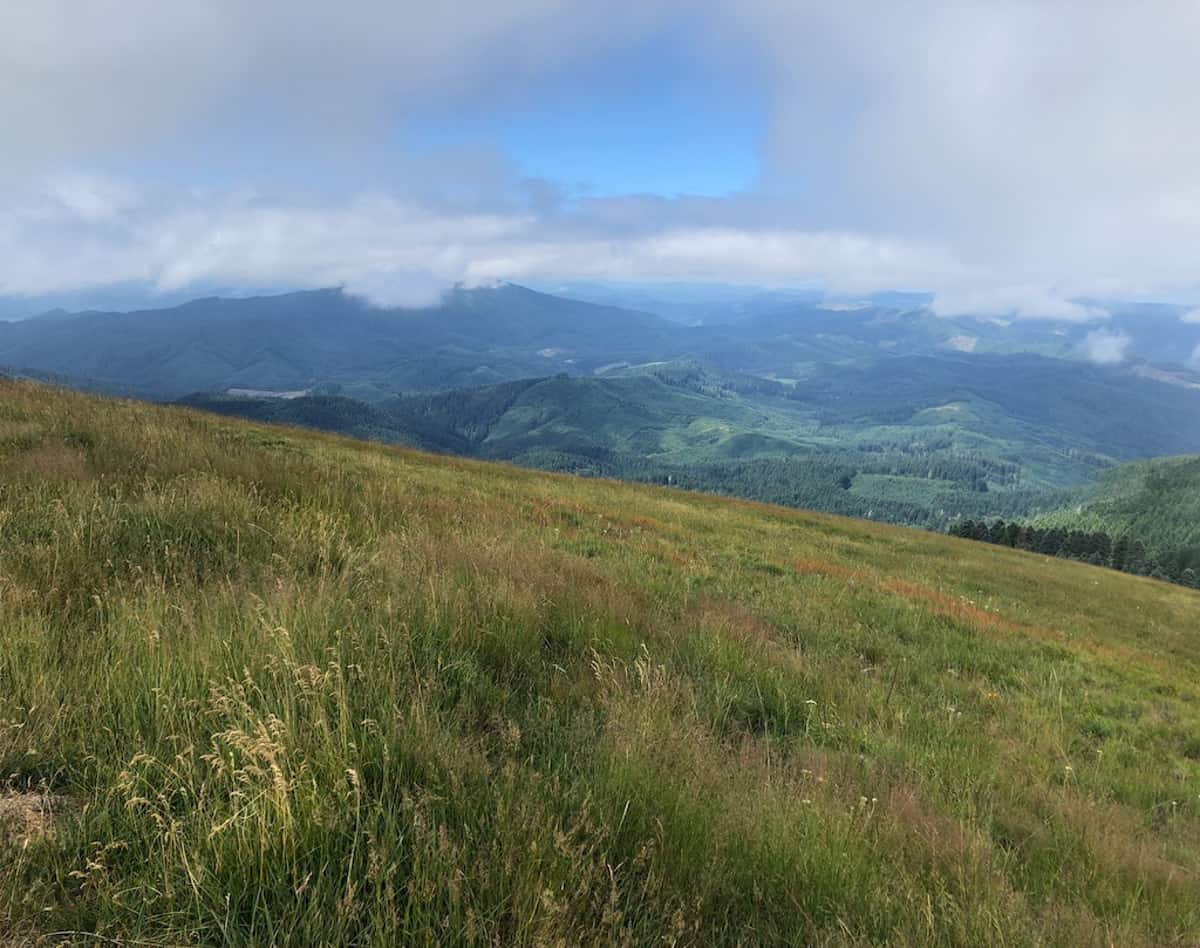
Mary’s Peak is the highest point in Oregon’s Coast Range, with views that can stretch from the Pacific Ocean to the Willamette Valley and Cascade peaks on clear days. It is an excellent stop for travelers moving between Corvallis, the coast, and the central valley.
In spring and early summer, wildflowers brighten the meadows. In fall, the summit can feel crisp and open. In winter, snow or ice can affect access, so check conditions before driving up.
Planning tip: Bring layers. Weather at the top can feel very different from Corvallis or the valley below.
Where to stay: Corvallis is the easiest base, especially if you are pairing Mary’s Peak with wineries, Oregon State University, or a drive toward Newport.
Read more from Lydia at Africa Wanderlust
Painted Hills

The Painted Hills are one of Oregon’s most otherworldly landscapes. Bands of red, gold, black, and green curve across the hills near Mitchell, creating a place that feels far removed from the forests and coast most people picture when they think of Oregon.
The Painted Hills Unit is part of John Day Fossil Beds National Monument, and the colors come from ancient climate changes preserved in layers of volcanic ash and soil. Short trails and overlooks make it possible to see a lot without a major hike.
Late afternoon light often brings out the best color, but it is also a popular time to visit. Go earlier in the day or on a weekday if you want more space.
Planning tip: Services are limited in this part of Oregon. Bring water, snacks, fuel, sun protection, and downloaded maps. Check the official Painted Hills Unit page before you go.
Where to stay: Mitchell is closest but small. Bend, Redmond, Prineville, and John Day all work depending on your road trip route.
Read more from Erin at Oregon Girl Around the World
How to Plan an Oregon Beautiful Places Road Trip
Oregon looks compact on a map, but drives can take longer than expected. Mountain passes, coastal roads, wildfire detours, winter snow, and winding forest highways can all slow you down. Build a trip by region instead of trying to see every highlight at once.
For a 3-day Oregon trip: Base yourself in Portland and visit the Columbia River Gorge, Portland Japanese Garden, Forest Park, and either Cannon Beach or the Willamette Valley.
For a 5-day Oregon trip: Add the Oregon Coast or Bend. Portland, the Gorge, Cannon Beach, Newport, and Cape Perpetua make a strong coastal route. Portland, Silver Falls, Bend, Tumalo Falls, and Smith Rock make a strong inland route.
For a 7- to 10-day Oregon trip: Combine regions. A rewarding loop could include Portland, the Columbia River Gorge, Bend, Crater Lake, the southern or central coast, Newport, Cannon Beach, and the Willamette Valley.
For repeat visitors: Go deeper into one area. Spend several days around the Rogue River, explore the Umpqua waterfalls, slow down on the central coast, or build an Eastern Oregon route around the Painted Hills and John Day Fossil Beds.
Suggested Oregon Road Trip Bases
Use these Oregon bases as a starting point, then compare total price, parking, cancellation policy, pet rules, and location before booking.
| Base | Best for | Nearby highlights |
|---|---|---|
| Portland | First Oregon trip, gardens, food, Gorge day trips | Forest Park, Japanese Garden, Multnomah Falls, Tualatin Valley |
| Hood River | Columbia River Gorge weekend | Waterfalls, breweries, wineries, river views |
| McMinnville | Willamette Valley wine country | Vineyards, tasting rooms, covered bridges, tulips in spring |
| Bend | Central Oregon adventure | Tumalo Falls, Pilot Butte, Smith Rock, Cascade Lakes |
| Newport | Central Oregon Coast | Yaquina Head, Cape Perpetua, beaches, aquarium |
| Klamath Falls | Crater Lake access | Crater Lake, southern Oregon road trips |
| Grants Pass | Rogue River trips | Rafting, river trails, wineries, southern Oregon |
Best Time to Visit Oregon’s Most Beautiful Places
Spring brings waterfalls, wildflowers, fresh green vineyards, and tulips near Woodburn. It can also bring mud, rain, and snow lingering in higher elevations.
Summer is best for high-country roads, Crater Lake viewpoints, long coastal days, and Central Oregon adventures. It is also the busiest season, and wildfire smoke can affect plans.
Fall is excellent for wine country, waterfall hikes, Portland gardens, the coast, and Bend. The light softens, crowds thin, and temperatures are often comfortable.
Winter is best for storm watching, mossy Portland trails, cozy coastal weekends, skiing near Bend or Mount Hood, and quieter city escapes. Some scenic roads and park areas may be closed by snow.
Oregon Travel Tips Before You Go
- Check permits: Multnomah Falls, popular trailheads, wilderness areas, and some state or federal recreation sites may require timed-use permits, parking reservations, or recreation passes in peak season.
- Watch road conditions: Mountain roads and national park routes can open late or close early because of snow, storms, fire, or construction.
- Bring layers: Oregon weather changes quickly, especially on the coast, at waterfalls, and in higher elevations.
- Respect the coast: Sneaker waves, crumbling cliffs, and cold water make the Oregon Coast beautiful but serious. Stay back from edges and never turn your back on the ocean.
- Download maps: Cell service can be unreliable in the Gorge, Cascades, Coast Range, eastern Oregon, and remote state parks.
- Leave no trace: Stay on trails, pack out trash, and respect closures. Many of Oregon’s most beautiful places are fragile, crowded, or recovering from past damage.
Final Thoughts on the Most Beautiful Places in Oregon
Oregon’s beauty is not one single scene. It is the mist in Forest Park, the thunder of Sahalie Falls, the shape of Haystack Rock at sunset, the strange colors of the Painted Hills, the deep blue of Crater Lake, and the way a small wine-country town can turn a quick stop into a full weekend.
Start with one region, give yourself more time than the map suggests, and build in room for weather, road closures, long lunches, and roadside viewpoints. That slower pace is where Oregon usually does its best work.
Discover more of the Pacific Northwest, one waterfall, coast road, and mountain pass at a time.
Pin It For Later


A long-time resident of Bristish Columbia, Sarah is a writer, traveler, wine & food lover and co-owner of Discover the Pacific Northwest and Live Dream Discover.