Updated June 2026: This western US and West Coast national parks guide has been refreshed with cleaner planning notes, current 2026 access updates, route ideas, park highlights, lodging base suggestions, and practical tips for building a national parks road trip across the American West.
The western United States has some of the most dramatic national park scenery in the world. You can stand under giant redwoods, hike across desert slickrock, watch geysers erupt, drive below glacier-carved peaks, walk through temperate rainforest, stare into the Grand Canyon, or catch the Pacific fog rolling through coastal cliffs. Subtle little region, obviously.
This guide focuses on the best West Coast and western US national parks for road trippers, outdoor travelers, photographers, families, hikers, and anyone trying to turn a big western loop into an unforgettable trip. It includes parks in Washington, Oregon, California, Arizona, Nevada, Montana, Wyoming, Colorado, and Utah.
Planning more Pacific Northwest and western Canada travel? You may also like our guides to things to do in Kelowna BC, best Oregon road trips, top things to see in Washington State, romantic getaways in Washington State, and the Pacific Northwest beer road trip.
Affiliate disclosure: This article may contain affiliate links, including Stay22 hotel links. If you book through these links, Discover the PNW may earn a commission at no extra cost to you.

Quick Look: Best Western US National Parks
| Best for | Parks to consider |
|---|---|
| First-time western road trip | Yosemite, Grand Canyon, Zion, Yellowstone, Grand Teton, Olympic, Mount Rainier |
| Pacific Northwest scenery | Olympic, Mount Rainier, North Cascades, Crater Lake |
| California road trip | Yosemite, Sequoia and Kings Canyon, Joshua Tree, Death Valley, Redwood, Channel Islands, Pinnacles |
| Utah red rock trip | Zion, Bryce Canyon, Arches, Canyonlands, Capitol Reef |
| Wildlife | Yellowstone, Grand Teton, Glacier, Olympic, Rocky Mountain |
| Best shoulder-season desert parks | Death Valley, Joshua Tree, Grand Canyon, Zion, Bryce Canyon, Arches, Canyonlands, Capitol Reef |
| Best summer mountain parks | Glacier, Grand Teton, Yellowstone, Rocky Mountain, North Cascades, Mount Rainier |
| Most important planning move | Check each park’s official current conditions, road status, permits, shuttles, and reservations before finalizing your itinerary |
Important 2026 National Park Planning Notes
Some western national parks have changed their entry and reservation systems for 2026, so do not rely on old blog posts, saved pins, or that one friend who went in 2022 and now speaks with the confidence of a park ranger. Use official park pages before you book lodging or build a tight itinerary.
- Yosemite: Entrance reservations are not required in 2026, but lodging, camping, wilderness permits, and Half Dome permits still require planning. Check Yosemite permits and reservations.
- Mount Rainier: Timed entry reservations are not required in 2026, but parking management and peak-hour congestion are still expected. Check Mount Rainier fees and access notes.
- Glacier: Vehicle reservations are not required in 2026, but Glacier is piloting ticketed shuttle access and limited timed parking at Logan Pass. Check Glacier 2026 vehicle and shuttle information.
- Rocky Mountain: Timed entry permits are required during the 2026 season from May 22 through October 12 for certain times and areas. Check Rocky Mountain timed entry details.
- Zion: You do not need a reservation to enter the park or ride the shuttle, but Angels Landing requires a permit. Check Zion permits and reservations.
- Arches: Timed entry reservations are not required in 2026, but entrance delays and temporary diversions can still happen when the park fills. Check Arches current planning notes.
- Grand Canyon North Rim: The North Rim is seasonal. In 2026, access reopened May 15 with day-use focused operations and some limitations. Check Grand Canyon North Rim status.
How to Plan a Western US National Parks Road Trip
The biggest mistake people make is trying to see too many parks in too little time. The West looks manageable on a map until you realize that “just one more park” can mean six extra hours, a mountain pass, a desert heat warning, and a hotel check-in at midnight. Pick a region first, then build your route around real drive times.
| Road trip region | Good park combinations |
|---|---|
| Pacific Northwest loop | Olympic, Mount Rainier, North Cascades, Crater Lake, Redwood |
| California parks loop | Yosemite, Sequoia and Kings Canyon, Death Valley, Joshua Tree, Pinnacles, Redwood |
| Utah Mighty 5 | Zion, Bryce Canyon, Capitol Reef, Arches, Canyonlands |
| Northern Rockies | Yellowstone, Grand Teton, Glacier |
| Southwest sampler | Grand Canyon, Zion, Bryce Canyon, Page area, Petrified Forest |
| Colorado and Four Corners | Rocky Mountain, Mesa Verde, Great Sand Dunes if added, Black Canyon if added, nearby Utah parks |
Best West Coast and Western US National Parks
California National Parks
Death Valley National Park

Death Valley is the park for huge desert scale, salt flats, dark skies, colorful badlands, spring wildflowers in good years, and that strange feeling that the planet forgot to install a shade setting. It is one of the hottest and driest places in North America, so this is not a casual summer hiking destination.
| Trip detail | What to know |
|---|---|
| Best time to visit | November to March for most visitors. Spring can be beautiful if wildflowers show up. |
| Do not miss | Badwater Basin, Zabriskie Point, Mesquite Flat Sand Dunes, Artist’s Drive, Dante’s View, Ubehebe Crater, Racetrack Playa with the right vehicle and planning. |
| Planning tip | Carry more water than you think you need, download offline maps, check road conditions, and do not push remote dirt roads without the right vehicle. Summer heat can be genuinely dangerous. |
| Good bases | Furnace Creek, Stovepipe Wells, Beatty, or Pahrump depending on your route. |
Sequoia and Kings Canyon National Parks

These neighboring Sierra Nevada parks are often visited together. Sequoia gives you the massive tree icons, including the General Sherman Tree, while Kings Canyon adds deep valleys, granite scenery, waterfalls, and a quieter mountain feel.
| Trip detail | What to know |
|---|---|
| Best time to visit | Late spring through early fall for road access and hiking. Winter is beautiful but requires chain and road condition planning. |
| Do not miss | General Sherman Tree, Congress Trail, Moro Rock, Giant Forest, Grant Grove, Kings Canyon Scenic Byway, Zumwalt Meadow area when accessible. |
| Planning tip | Roads are steep and winding. Check current road status before going, especially in winter, early spring, or after storms and wildfire impacts. |
| Good bases | Three Rivers, Wuksachi area, Grant Grove, or Fresno if you need more lodging options. |
Joshua Tree National Park

Joshua Tree is where the Mojave and Colorado desert ecosystems meet, creating a landscape of twisted Joshua trees, huge boulder piles, cactus gardens, and stargazing that makes you feel like you wandered into a desert album cover.
| Trip detail | What to know |
|---|---|
| Best time to visit | October to April for comfortable hiking. Summer is extremely hot and better for sunrise, sunset, or night-sky visits. |
| Do not miss | Hidden Valley, Barker Dam, Skull Rock, Cholla Cactus Garden, Keys View, Cap Rock, Arch Rock, Ryan Mountain. |
| Planning tip | Enter early on weekends and holidays. Bring water, sun protection, and a real plan because services inside the park are limited. |
| Good bases | Joshua Tree, Twentynine Palms, Yucca Valley, Palm Springs, or Palm Desert. |
Yosemite National Park

Yosemite is one of the crown jewels of the national park system, with granite walls, giant sequoias, waterfalls, alpine meadows, and some of the most famous views in the country. It is spectacular, popular, and not a place to wing it in peak season unless your hobby is circling parking lots.
| Trip detail | What to know |
|---|---|
| Best time to visit | Spring for waterfalls, summer for high-country access, fall for lighter crowds, and winter for a quieter valley experience. |
| Do not miss | Tunnel View, Yosemite Valley, Bridalveil Fall, Yosemite Falls, El Capitan, Half Dome views, Glacier Point, Mariposa Grove, Tuolumne Meadows when Tioga Road is open. |
| Planning tip | Yosemite does not require an entrance reservation in 2026, but lodging, campgrounds, Half Dome permits, and wilderness permits still need advance planning. |
| Good bases | Yosemite Valley, Wawona, El Portal, Mariposa, Oakhurst, or Groveland. |
Redwood National and State Parks

Redwood is a mix of national and state park lands protecting some of the tallest trees on Earth, plus wild coastline, foggy forests, rivers, elk prairies, and fern-covered canyons. It feels less like one single park and more like a road trip through a living cathedral.
| Trip detail | What to know |
|---|---|
| Best time to visit | May to September for drier weather, though the misty shoulder seasons have their own magic. |
| Do not miss | Tall Trees Grove, Lady Bird Johnson Grove, Fern Canyon, Newton B. Drury Scenic Parkway, Prairie Creek, Elk Prairie, Howland Hill Road, Enderts Beach. |
| Planning tip | Fern Canyon and Tall Trees Grove may require permits or advance planning depending on season and current park rules. Check before you build your day around either one. |
| Good bases | Crescent City, Klamath, Trinidad, Arcata, or Eureka. |
Channel Islands National Park

Channel Islands feels wild because it takes effort to reach. There are no hotels, restaurants, or easy bailout plans on the islands, but you get sea caves, kayaking, hiking, island foxes, coastal cliffs, snorkeling, and a national park experience that feels far away from Southern California crowds.
| Trip detail | What to know |
|---|---|
| Best time to visit | Spring for wildflowers, summer and early fall for warmer water, and winter for gray whale season. |
| Do not miss | Santa Cruz Island, Anacapa Island, Scorpion Anchorage, sea cave kayaking, island fox viewing, coastal hikes, snorkeling, whale watching. |
| Planning tip | Book boat transportation early and bring everything you need for the day. There are no services once you are on the islands. |
| Good bases | Ventura, Oxnard, Santa Barbara, or camping on the islands with reservations. |
Pinnacles National Park

Pinnacles is one of California’s smaller and more underrated national parks, known for volcanic rock formations, talus caves, condors, spring wildflowers, and hiking trails that can feel surprisingly adventurous for a compact park.
| Trip detail | What to know |
|---|---|
| Best time to visit | October to May for cooler hiking weather. Summer can be very hot. |
| Do not miss | Bear Gulch Cave, Balconies Cave, High Peaks Trail, Condor Gulch, Bear Gulch Reservoir, wildflower hikes in spring. |
| Planning tip | The east and west entrances are not connected by a road through the park. Choose your entrance before you drive there, unless you enjoy accidental two-hour detours. |
| Good bases | Soledad, Hollister, King City, or Monterey for a longer Central Coast trip. |
Oregon National Parks
Crater Lake National Park

Crater Lake is Oregon’s only national park and one of the most striking lake views in the country. The water is famously blue, the rim views are huge, and the whole thing sits inside the collapsed remains of ancient Mount Mazama.
| Trip detail | What to know |
|---|---|
| Best time to visit | July to September for the most access. Winter is beautiful but many roads are snow-covered or closed. |
| Do not miss | Rim Drive, Watchman Overlook, Cleetwood Cove Trail when open, Wizard Island views, Sinnott Memorial Overlook, Discovery Point, snowshoeing in winter. |
| Planning tip | Do not assume the full Rim Drive is open outside summer. Snow can linger late, and road openings vary by year. |
| Good bases | Crater Lake Lodge area, Mazama Village, Fort Klamath, Klamath Falls, Medford, or Bend. |
Washington National Parks
Mount Rainier National Park

Mount Rainier is the big mountain park of Washington, with glaciers, wildflower meadows, old-growth forests, waterfalls, alpine viewpoints, and some of the best day hikes in the Pacific Northwest. When the mountain is out, it basically acts like the main character.
| Trip detail | What to know |
|---|---|
| Best time to visit | Late July to early September for wildflowers and high-country access. Winter and spring are best for snow lovers who are prepared. |
| Do not miss | Paradise, Sunrise, Skyline Trail, Myrtle Falls, Grove of the Patriarchs area when open, Reflection Lakes, Tipsoo Lake, Naches Peak Loop, Wonderland Trail sections. |
| Planning tip | Mount Rainier will not require timed entry reservations in 2026, but parking management and congestion are still expected in peak periods. Go early or late. |
| Good bases | Ashford, Packwood, Enumclaw, Crystal Mountain, or Paradise/Longmire lodging when available. |
Olympic National Park

Olympic is one of the most varied parks in the country, with glacier-capped mountains, temperate rainforest, wild Pacific beaches, lake country, waterfalls, hot springs, and moody coastal weather that makes everything feel a little more cinematic.
| Trip detail | What to know |
|---|---|
| Best time to visit | July to September for the easiest overall travel. Spring and fall are great with rain gear and flexibility. |
| Do not miss | Hoh Rain Forest, Hurricane Ridge, Lake Crescent, Marymere Falls, Sol Duc Falls, Rialto Beach, Ruby Beach, Second Beach, Kalaloch, Staircase. |
| Planning tip | Do not underestimate drive times. Olympic is huge, and moving between Hurricane Ridge, Hoh, Lake Crescent, and the coast takes real time. |
| Good bases | Port Angeles, Forks, Lake Crescent, Kalaloch, Sequim, or Hoodsport depending on your route. |
North Cascades National Park

North Cascades is rugged, glacier-cut, and wildly underrated. It has jagged peaks, turquoise lakes, forested valleys, waterfalls, and some of the best mountain scenery in Washington without the same crowd level as Rainier or Olympic.
| Trip detail | What to know |
|---|---|
| Best time to visit | July to September for hiking and Highway 20 access. Snow can limit trails well into summer. |
| Do not miss | Diablo Lake Overlook, Ross Lake, Washington Pass Overlook, Blue Lake Trail, Cascade Pass, Maple Pass Loop nearby, Ladder Creek Falls. |
| Planning tip | Highway 20 usually closes seasonally. Check road status before planning a cross-Cascades route. |
| Good bases | Winthrop, Mazama, Marblemount, Concrete, or Bellingham. |
Arizona National Parks
Grand Canyon National Park

The Grand Canyon is one of those places that still works even after a lifetime of seeing photos. The scale is hard to process until you are standing on the rim watching light move across millions of years of rock.
| Trip detail | What to know |
|---|---|
| Best time to visit | Spring and fall for the best balance. Summer is busy and dangerously hot below the rim. Winter can be quiet and beautiful on the South Rim. |
| Do not miss | South Rim viewpoints, Desert View Drive, Bright Angel Trail, South Kaibab Trail, Hermit Road, North Rim viewpoints when open, sunrise and sunset from the rim. |
| Planning tip | The South Rim is open year-round. The North Rim is seasonal, and in 2026 it reopened May 15 with day-use focused access and some limitations, so check current status before going. |
| Good bases | Grand Canyon Village, Tusayan, Williams, Flagstaff, or Jacob Lake/North Rim area seasonally. |
Petrified Forest National Park

Petrified Forest is a road-trip-friendly park with colorful badlands, ancient petrified wood, Route 66 history, desert views, and short trails that make it easy to explore in a half day or full day.
| Trip detail | What to know |
|---|---|
| Best time to visit | Spring and fall for comfortable temperatures. Summer is hot but manageable with short stops. |
| Do not miss | Painted Desert overlooks, Blue Mesa, Crystal Forest, Giant Logs, Newspaper Rock, Route 66 alignment, Long Logs Trail. |
| Planning tip | Do not take petrified wood from the park. It is illegal, and also a wildly bad souvenir karma situation. |
| Good bases | Holbrook, Winslow, or Flagstaff. |
Nevada National Parks
Great Basin National Park

Great Basin is remote, quiet, and surprisingly varied. You get desert basin scenery, ancient bristlecone pines, alpine terrain, caves, dark skies, and Wheeler Peak rising above the Nevada desert.
| Trip detail | What to know |
|---|---|
| Best time to visit | Late spring through fall for the best access. Summer is good for higher elevations, while winter can limit roads. |
| Do not miss | Lehman Caves, Wheeler Peak Scenic Drive, Bristlecone Pine Trail, Alpine Lakes Loop, stargazing, Wheeler Peak views. |
| Planning tip | Book Lehman Caves tours ahead when possible, and remember that remote Nevada distances are no joke. Fuel up before you think you need to. |
| Good bases | Baker, Ely, or camping near the park. |
Montana/Wyoming/Idaho National Parks
Yellowstone National Park

Yellowstone is the classic western national park road trip, with geysers, hot springs, waterfalls, wildlife, high plateaus, forests, and enough geothermal weirdness to make the ground feel suspicious.
| Trip detail | What to know |
|---|---|
| Best time to visit | Late spring through early fall for road access. Winter requires special planning and limited oversnow access. |
| Do not miss | Old Faithful, Grand Prismatic Spring, Grand Canyon of the Yellowstone, Lamar Valley, Hayden Valley, Mammoth Hot Springs, Norris Geyser Basin, Yellowstone Lake. |
| Planning tip | Most roads close to regular vehicles in winter, and spring openings can be delayed by weather. Always check the current road status before driving in. |
| Good bases | West Yellowstone, Gardiner, Cooke City, Cody, Jackson, or in-park lodges/campgrounds. |
Montana National Parks
Glacier National Park
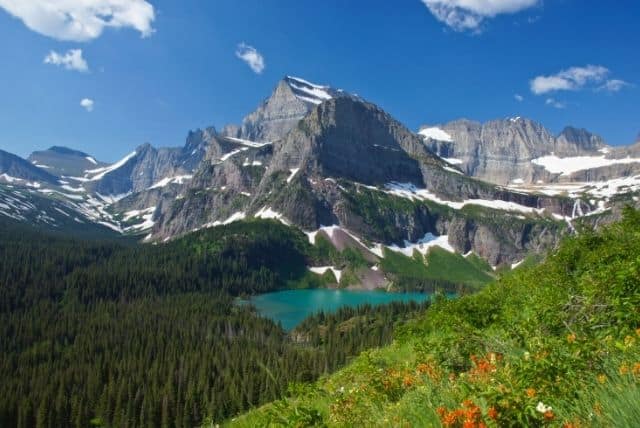
Glacier is alpine drama at full volume: sharp peaks, glacial valleys, turquoise lakes, wildlife, historic lodges, and the Going-to-the-Sun Road. It is one of the most beautiful parks in the West, and also one of the places where planning matters most.
| Trip detail | What to know |
|---|---|
| Best time to visit | July to September for the best chance of full Going-to-the-Sun Road access. June and October can be excellent but less predictable. |
| Do not miss | Going-to-the-Sun Road, Logan Pass, Hidden Lake Overlook, Highline Trail, Many Glacier, Lake McDonald, Two Medicine, Avalanche Lake. |
| Planning tip | Glacier will not require park-wide vehicle reservations in 2026, but it will use shuttle ticketing and timed parking at Logan Pass, plus congestion management when areas fill. |
| Good bases | West Glacier, Whitefish, Columbia Falls, St. Mary, East Glacier, or Many Glacier when available. |
Colorado National Parks
Mesa Verde National Park

Mesa Verde protects some of the most important Ancestral Puebloan archaeological sites in the United States. It is less about big wilderness hikes and more about history, cliff dwellings, mesa views, and understanding a much older human story in the Southwest.
| Trip detail | What to know |
|---|---|
| Best time to visit | Late spring through fall for the best tour access. Winter is quieter but more limited. |
| Do not miss | Cliff Palace, Balcony House, Long House, Mesa Top Loop, Spruce Tree House viewpoints, Chapin Mesa Archaeological Museum area. |
| Planning tip | Many cliff dwelling experiences require ranger-guided tour tickets. Book ahead and choose tours that match your comfort with ladders, heights, and tight spaces. |
| Good bases | Cortez, Mancos, Durango, or Morefield Campground. |
Rocky Mountain National Park

Rocky Mountain National Park packs alpine lakes, high-elevation tundra, wildlife, waterfalls, and big mountain drives into a park that is easy to reach from Colorado’s Front Range. Easy to reach does not mean easy to park, though. Tiny but important detail.
| Trip detail | What to know |
|---|---|
| Best time to visit | June to September for Trail Ridge Road and alpine access. Fall is excellent for elk viewing. Winter is beautiful for snowshoeing. |
| Do not miss | Trail Ridge Road, Bear Lake, Emerald Lake, Alberta Falls, Moraine Park, Old Fall River Road when open, Alpine Visitor Center, Wild Basin. |
| Planning tip | Rocky Mountain National Park uses a timed entry permit system from May 22 through October 12, 2026, including separate options for Bear Lake Road and the rest of the park. |
| Good bases | Estes Park, Grand Lake, Allenspark, or Boulder/Denver for longer trips. |
Utah National Parks
Arches National Park
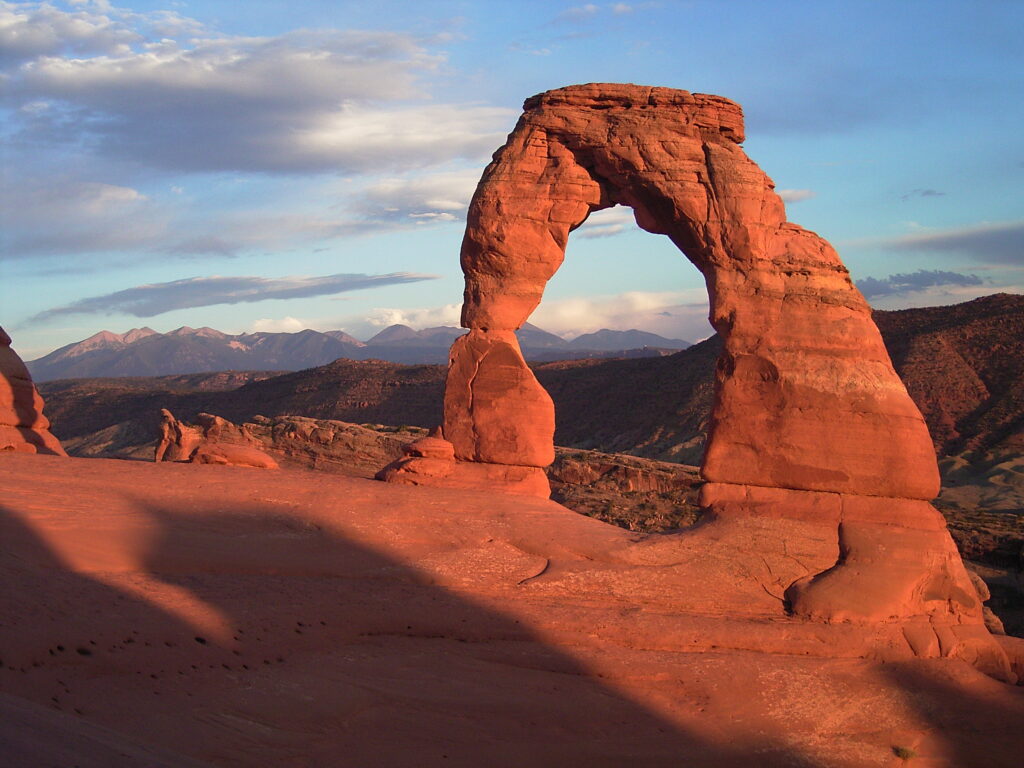
Arches is one of Utah’s most recognizable parks, with red rock fins, windows, towers, and more than 2,000 natural stone arches. It is easy to pair with Canyonlands and Moab, which is both wonderful and why the entrance line can look like everyone had the same bright idea.
| Trip detail | What to know |
|---|---|
| Best time to visit | March to May and September to November for the best weather. Summer is hot. |
| Do not miss | Delicate Arch, Landscape Arch, Devils Garden, Windows Section, Double Arch, Park Avenue, Balanced Rock, Fiery Furnace with a permit or tour. |
| Planning tip | Arches does not require timed entry reservations in 2026, but congestion controls may still happen when the park fills. Arrive early or later in the day. |
| Good bases | Moab. |
Canyonlands National Park

Canyonlands is huge, rugged, and split into districts that do not connect by road inside the park. Island in the Sky is easiest for first-timers, Needles is better for hikers, and the Maze is for experienced remote travelers.
| Trip detail | What to know |
|---|---|
| Best time to visit | Spring and fall. Summer is hot and winter can bring icy roads or limited services. |
| Do not miss | Mesa Arch, Grand View Point, Green River Overlook, Shafer Canyon, Upheaval Dome, Needles hikes, White Rim Road with proper permits and vehicle planning. |
| Planning tip | Choose your district before you go. Island in the Sky and Needles can be hours apart by road. |
| Good bases | Moab for Island in the Sky, Monticello for Needles. |
Capitol Reef National Park
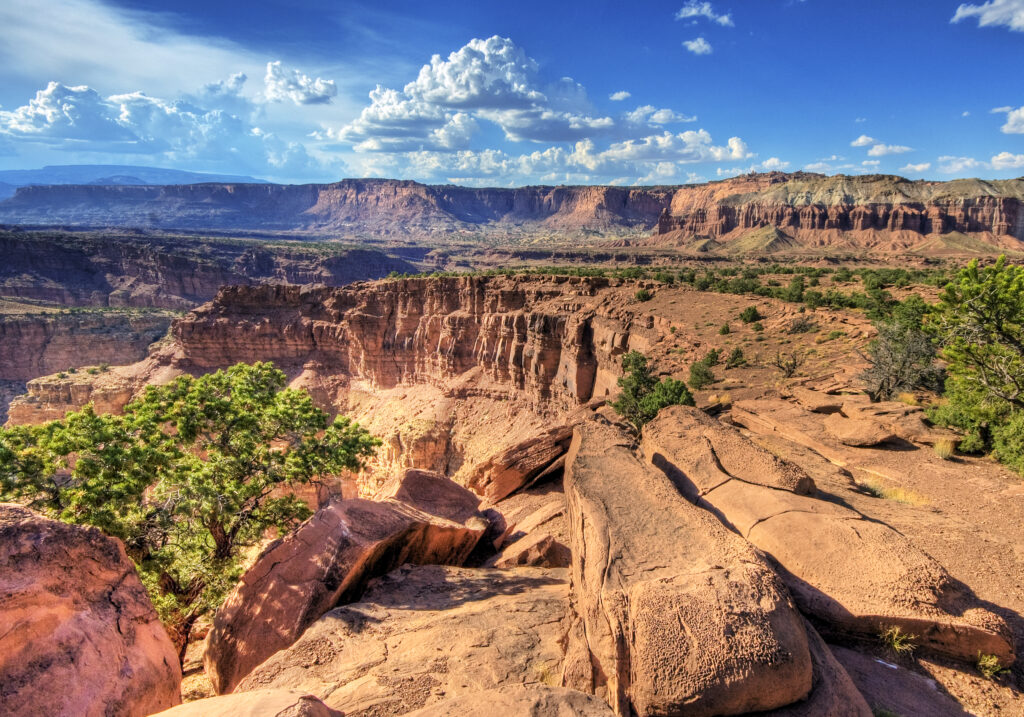
Capitol Reef is the underrated Utah park that road trippers often love most once they finally stop rushing past it. Expect red cliffs, canyons, orchards, scenic drives, petroglyphs, and far fewer crowds than Zion or Arches.
| Trip detail | What to know |
|---|---|
| Best time to visit | March to May and September to October. Summer can be hot, and winter can be quiet but chilly. |
| Do not miss | Scenic Drive, Fruita Historic District, Gifford House, Hickman Bridge, Grand Wash, Capitol Gorge, Cassidy Arch, Cathedral Valley with the right vehicle. |
| Planning tip | Do not skip the Fruita area, and check road conditions before driving unpaved routes like Cathedral Valley or the Burr Trail. |
| Good bases | Torrey, Fruita Campground, or Bicknell. |
Zion National Park

Zion is Utah’s blockbuster park, with massive sandstone walls, narrow canyons, river walks, big hikes, and a shuttle system that controls access to the main canyon during much of the year. It is popular because it is stunning. It is crowded because everyone else noticed.
| Trip detail | What to know |
|---|---|
| Best time to visit | Spring and fall for the best weather. Winter is quieter. Summer is hot and busy. |
| Do not miss | Zion Canyon Scenic Drive by shuttle, Riverside Walk, The Narrows, Emerald Pools, Canyon Overlook, Watchman Trail, Angels Landing with a permit. |
| Planning tip | You do not need a reservation to enter Zion or ride the shuttle in 2026, but Angels Landing requires a permit. Private vehicles are restricted on Zion Canyon Scenic Drive during shuttle season. |
| Good bases | Springdale, Virgin, Hurricane, St. George, or inside the park at Zion Lodge. |
Bryce Canyon National Park

Bryce Canyon is famous for hoodoos, natural amphitheaters, sunrise viewpoints, and high-elevation scenery that looks completely different from the rest of Utah’s national parks. It is especially beautiful when snow dusts the orange rock.
| Trip detail | What to know |
|---|---|
| Best time to visit | May to October for easier hiking. Winter is cold but beautiful. |
| Do not miss | Sunrise Point, Sunset Point, Inspiration Point, Bryce Point, Navajo Loop, Queen’s Garden, Fairyland Loop, scenic drive viewpoints. |
| Planning tip | Bryce sits above 8,000 feet, so expect cooler weather than Zion and check winter road and trail conditions. |
| Good bases | Bryce Canyon City, Tropic, Panguitch, or Escalante. |
Wyoming National Parks
Grand Teton National Park
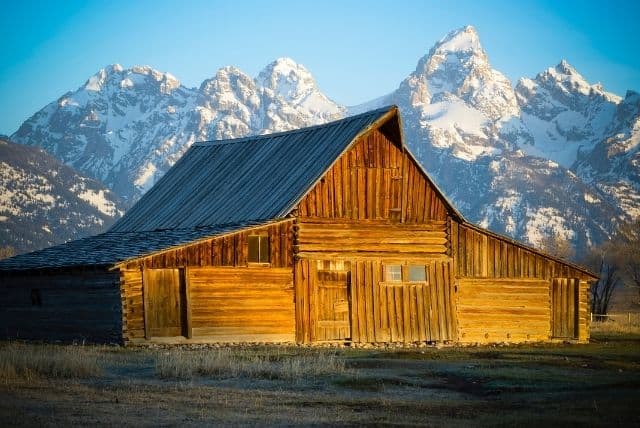
Grand Teton delivers one of the cleanest mountain skylines in America, with sharp peaks rising straight above lakes, sagebrush flats, wildlife habitat, and historic barns. It pairs perfectly with Yellowstone but deserves its own time.
| Trip detail | What to know |
|---|---|
| Best time to visit | June to September for hiking and lake access. Fall is excellent for wildlife and photography. |
| Do not miss | Jenny Lake, Cascade Canyon, Inspiration Point, Mormon Row, Schwabacher Landing, Oxbow Bend, Signal Mountain, Taggart Lake. |
| Planning tip | Wildlife jams are real. Give animals space, carry bear spray on trails, and do not treat moose like oversized petting-zoo horses. |
| Good bases | Jackson, Teton Village, Moran, Colter Bay, or in-park lodges/campgrounds. |
Best Places to Stay for a Western National Parks Road Trip
For big western national park trips, it usually works better to think in terms of gateway towns instead of only trying to stay inside the park. In-park lodging can be fantastic, but it often books far ahead, costs more, and gives you fewer dining or supply options. Gateway towns are often easier for families, longer trips, and flexible road trip pacing.
Essential Tips for Visiting Western US National Parks
- Check official park conditions before you go: Road closures, fire impacts, shuttle rules, construction, trail work, weather, and reservation systems change often.
- Book lodging early: Yosemite, Zion, Yellowstone, Glacier, Grand Teton, Grand Canyon, and Olympic can fill quickly in peak travel months.
- Do not stack too many parks together: Two nights in one place is often better than one rushed night in three different places.
- Plan around heat: Desert parks like Death Valley, Joshua Tree, Arches, Canyonlands, Zion, and Grand Canyon can be dangerously hot in summer.
- Plan around snow: Mountain parks like Glacier, Rainier, North Cascades, Crater Lake, Rocky Mountain, and Yellowstone can have seasonal road closures well into spring.
- Start early: Sunrise is your best friend for parking, photography, wildlife, cooler temperatures, and avoiding peak crowds.
- Download offline maps: Cell service is unreliable in many parks and gateway corridors.
- Carry layers: You can go from desert heat to alpine wind in the same trip.
- Respect wildlife: Keep your distance, never feed animals, and carry bear spray where recommended.
- Leave no trace: Stay on trails, pack out trash, do not carve trees or rocks, and do not take natural or cultural objects from parks.
What to Pack for a Western National Parks Trip
- Driver’s licence, vehicle documents, park pass, and reservation confirmations
- Offline maps and a printed backup for remote areas
- Reusable water bottles or hydration bladder
- Sun hat, sunglasses, sunscreen, and lip balm
- Rain jacket and warm layers
- Comfortable hiking shoes or boots
- First aid kit and blister supplies
- Phone charger, power bank, and vehicle charger
- Headlamp or flashlight, especially for caves, sunrise starts, or dark-sky parks
- Bear spray for appropriate bear-country parks, plus knowledge of how to carry and use it
- Snacks and lunch supplies for parks with limited food options
- Binoculars for wildlife and viewpoints
West Coast and Western US National Parks FAQ
What are the best West Coast national parks for a first trip?
For a first West Coast and western US national parks trip, start with Yosemite, Olympic, Mount Rainier, Grand Canyon, Zion, Yellowstone, Grand Teton, and Glacier. If you want a Pacific Northwest-focused route, combine Olympic, Mount Rainier, North Cascades, Crater Lake, and Redwood.
How many days do you need for a western national parks road trip?
A one-week trip is enough for one focused region, such as Utah’s Mighty 5 or a Pacific Northwest loop. Two weeks gives you room for a stronger route with less rushing. A full western US national parks trip could easily take a month or more.
Which western national parks need reservations or permits in 2026?
Rules vary by park. In 2026, Rocky Mountain uses timed entry permits for part of the season, Zion requires permits for Angels Landing, Glacier is using shuttle ticketing and timed parking at Logan Pass, and Yosemite, Arches, and Mount Rainier are not using general timed entry reservations. Always confirm current rules before you go.
What is the best time of year to visit western national parks?
For mountain parks, July through September usually gives the best access. For desert parks, spring and fall are usually more comfortable. For Pacific Northwest parks, summer has the driest weather, but spring and fall can be beautiful with fewer crowds.
Are West Coast national parks good for families?
Yes, but choose parks and activities based on age, weather, and driving tolerance. Olympic, Mount Rainier, Yosemite, Grand Canyon South Rim, Bryce Canyon, and Yellowstone all have strong family-friendly options if you plan lodging and drive times carefully.
What is the most underrated western national park?
North Cascades, Great Basin, Pinnacles, Capitol Reef, and Petrified Forest are all strong underrated picks. They do not get the same attention as Yosemite or Zion, but each offers a different kind of western park experience.
Final Thoughts on the Best Western US National Parks
The best West Coast and western US national parks are not all the same kind of trip. Some are built for big hikes. Some are better for scenic drives. Some are wildlife destinations. Some are desert parks where timing your visit correctly makes the difference between “best trip ever” and “why are my shoes melting?”
For a first western national parks road trip, choose one region and do it well. Build in extra time, check current access rules, book key lodging early, and avoid turning the whole trip into a checklist. The magic of these parks is not just seeing the famous viewpoint. It is having enough time to stop, wander, watch the light change, and let the West do what it does best.
Read next: Best Oregon Road Trips • Top Things to See in Washington State • Things to Do in Kelowna BC

A long-time resident of Bristish Columbia, Sarah is a writer, traveler, wine & food lover and co-owner of Discover the Pacific Northwest and Live Dream Discover.