Updated June 2026: This guide has been refreshed with current park links, ferry planning notes, road-condition reminders, updated attraction information, and expanded Washington State trip ideas.
Washington State is Pacific Northwest travel in one place: glacier-covered mountains, old-growth forest, wild coastline, ferry rides, island towns, wine valleys, waterfalls, rain forests, and cities that sit close enough to nature to make a day trip feel easy.
If you are wondering about the top things to see in Washington State, the answer depends on your travel style. You can spend a weekend eating your way through Seattle, hike under wildflowers at Mount Rainier, ride a ferry to the San Juan Islands, follow waterfalls near Snoqualmie, taste wine in Walla Walla, or watch the weather roll across the Olympic coast.
This guide brings together our favorite Washington cities, towns, national parks, state parks, islands, beaches, and scenic stops. Use it as a starting point for a Washington road trip, a long weekend, or a first visit to the Pacific Northwest.
Before you go, check official park, ferry, highway, and tourism pages. Weather, wildfire smoke, winter snow, ferry schedules, road repairs, and parking congestion can all change plans quickly in Washington.
Affiliate disclosure: This article may contain affiliate links. If you book through these links, Discover the PNW may earn a commission at no extra cost to you.
Quick Look: Top Things to See in Washington State
| Place | Best for | Region |
|---|---|---|
| Seattle | Food, museums, neighborhoods, waterfront | Puget Sound |
| Mount Rainier National Park | Wildflowers, mountain views, hiking | South Cascades |
| Olympic National Park | Rain forest, beaches, mountains | Olympic Peninsula |
| North Cascades National Park | Alpine scenery, hikes, Diablo Lake | North Cascades |
| San Juan Islands | Ferries, whale watching, island towns | Salish Sea |
| Leavenworth | Mountain town, festivals, winter trips | Central Cascades |
| Walla Walla | Wine, food, sunny weekends | Southeast Washington |
| Deception Pass State Park | Bridges, beaches, hiking, sunsets | Whidbey / Fidalgo Islands |
| Snoqualmie Falls | Easy waterfall day trip | Snoqualmie Valley |
| Palouse Falls | Eastern Washington canyon scenery | Palouse |
Cities & Towns of Washington State
Washington is best known for big nature, but its cities and small towns are worth building a trip around too. These are the places to go for waterfront walks, local food, breweries, wine tasting, museums, festivals, and easy access to nearby trails.
Seattle

Seattle is the best-known city in Washington, and it earns the attention. The city sits between Puget Sound and Lake Washington, with mountain views, ferry routes, neighborhoods full of character, and a food scene that makes it easy to plan your day around coffee, seafood, bakeries, and happy hour.
First-time visitors usually start with Pike Place Market, the waterfront, Seattle Center, the Space Needle, Chihuly Garden and Glass, and the Museum of Pop Culture. For a more local feel, add Ballard, Fremont, Capitol Hill, Columbia City, West Seattle, or the International District.
If rain is in the forecast, Seattle still works beautifully. Browse museums, eat your way through Pike Place, ride a ferry, visit a brewery, or use our guide to what to do in Seattle when it’s raining.
Planning tip: If you want to visit several paid attractions, compare current admission prices with the official Seattle CityPASS. It can be useful if your plans already include the Space Needle, Seattle Aquarium, Chihuly Garden and Glass, Argosy Cruises, MOPOP, or other included attractions.

Bellingham
Bellingham sits between the Salish Sea and the North Cascades, close to the Canadian border. It has a university-town energy, a strong craft beer scene, and easy access to water, forest, mountain trails, and scenic drives.
Spend time in Fairhaven, walk the waterfront, visit Whatcom Falls Park, drive Chuckanut Drive, or use Bellingham as a base for Mount Baker day trips. If you like breweries, this is one of the best small cities in Washington to build a weekend around.
Planning tip: Check Visit Bellingham for current events, brewery maps, trail ideas, and seasonal trip planning.
Walla Walla

Walla Walla is Washington’s best weekend for wine lovers who also care about food, sunshine, and a walkable downtown. Tasting rooms, restaurants, boutiques, vintage shops, bakeries, and historic buildings make the city feel relaxed but polished.
The surrounding Walla Walla Wine Valley is full of vineyards, farms, rolling hills, and tasting rooms. You can spend a full weekend downtown without driving far, or book a wine tour if you want to explore the wider valley without choosing a designated driver.
Planning tip: Make winery and dinner reservations for busy weekends, especially spring, fall harvest season, and event weekends. Start with Visit Walla Walla for current trip planning.
Leavenworth
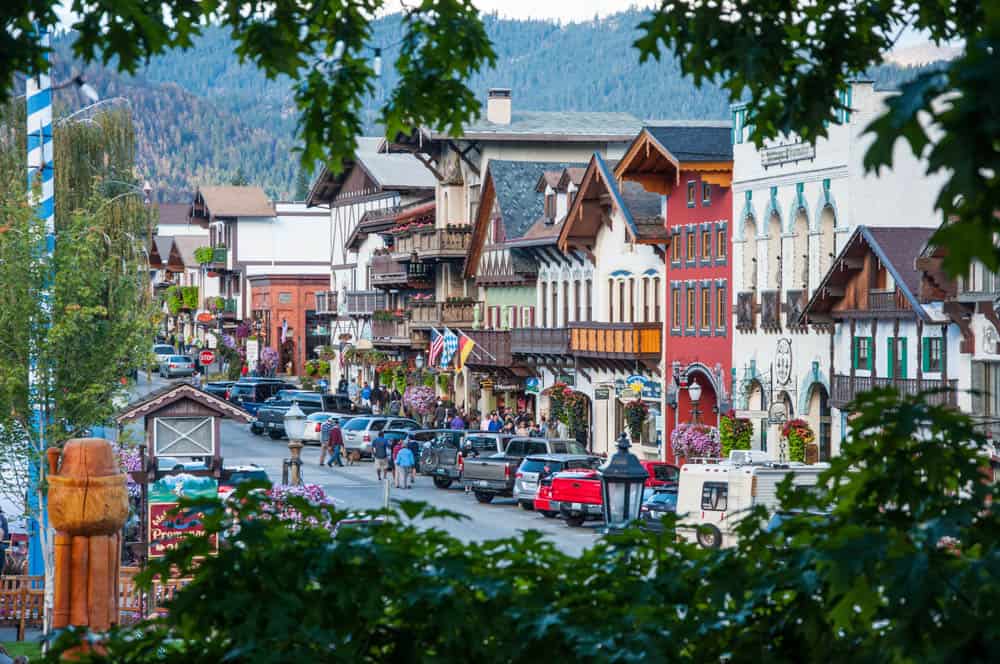
Leavenworth is a Bavarian-style mountain town surrounded by the Cascades. It is touristy, yes, but it is also genuinely fun if you lean into the setting: alpine views, river walks, beer gardens, tasting rooms, bakeries, festivals, and trailheads nearby.
Winter is especially popular, when lights, snow, and mountain scenery turn the town into one of Washington’s coziest seasonal getaways. Summer and fall are also excellent for hiking, rafting, climbing, lake days, and patio dining.
For more seasonal planning, see our guide to Leavenworth in the winter and our guide to fall in Washington State.
Planning tip: Lodging fills quickly around holiday lights, Oktoberfest-style events, and summer weekends. Check Visit Leavenworth for current festival dates and road notes.
La Conner and the Skagit Valley

La Conner is a small waterfront town in the Skagit Valley, best known by many travelers as a spring base for tulip season. But the town itself is worth a slow visit, with galleries, museums, shops, restaurants, and Swinomish Channel views.
In spring, the wider Skagit Valley fills with tulip travelers. The Skagit Valley Tulip Festival is a countywide event that traditionally centers on April, though bloom timing can shift with weather. Check the official Skagit Valley Tulip Festival site for bloom updates, maps, tickets, and current dates.
Planning tip: Spring weekends can be extremely busy. Go early, bring patience for rural roads, and consider staying overnight in La Conner or nearby Mount Vernon.
Gig Harbor
Gig Harbor is a small waterfront town near Tacoma with marina views, a walkable historic district, local shops, museums, and plenty of places to eat near the water. It is one of the easiest Puget Sound day trips if you want a slower pace without going far from Seattle or Tacoma.
Get on the water by kayak or paddleboard, walk the Cushman Trail, explore the harbor, or book one of the town’s memorable gondola rides if you want something unexpected.
Planning tip: Pair Gig Harbor with Tacoma, Point Defiance, or a Kitsap Peninsula loop if you want a fuller weekend. Check Visit Gig Harbor for local events and dining ideas.
Port Townsend
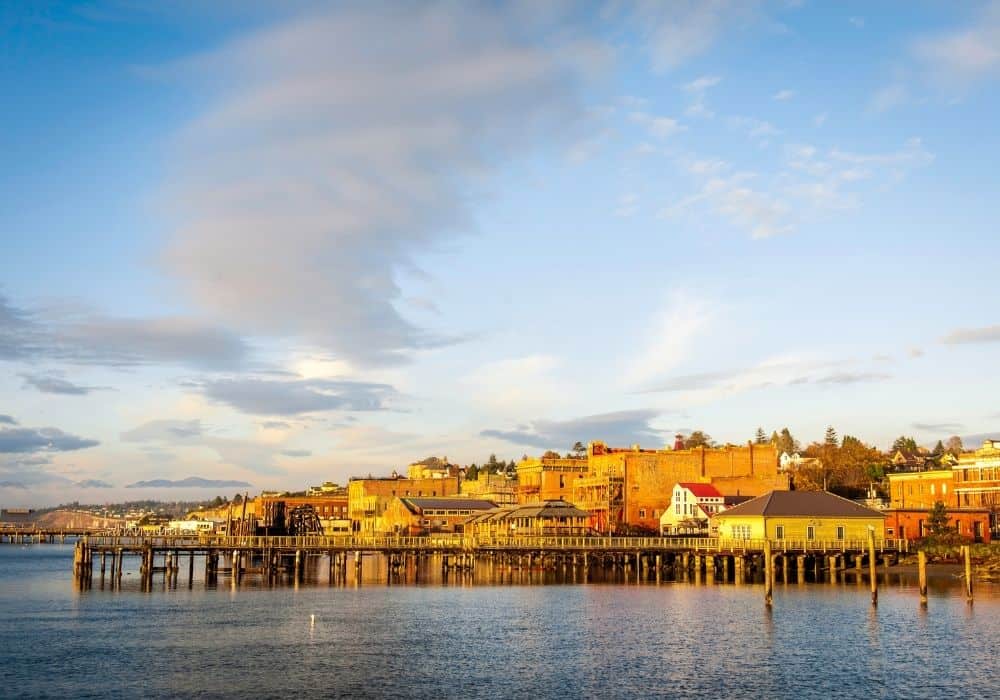
Port Townsend sits at the northeastern tip of the Olympic Peninsula, where Victorian buildings, maritime history, beaches, and mountain-and-water views come together. It is a strong choice for a romantic weekend, a family beach trip, or a quieter base before heading deeper into Olympic National Park.
Walk downtown, visit Fort Worden Historical State Park, browse galleries, eat near the water, and leave time for beachcombing. Kids usually love the old bunkers at Fort Worden, while adults may be more interested in the historic homes, bookstores, live music, and food scene.
Planning tip: If you are taking the Port Townsend/Coupeville ferry with a vehicle, make ferry reservations in advance through Washington State Ferries.
Ellensburg
Ellensburg sits near the center of the state and has a Western feel, a historic downtown, and easy access to Kittitas Valley scenery. The city is best known for the Ellensburg Rodeo, but it is also a good stop for public art, museums, local food, and a slower Central Washington weekend.
Walk downtown, visit the Kittitas County Historical Museum, check out the public art, and use Ellensburg as a base for nearby hiking, river time, or a longer drive toward Yakima, Vantage, or the Columbia River.
Planning tip: If your trip lines up with rodeo weekend, book lodging early. Check Ellensburg Rodeo and local event calendars before choosing dates.
Winthrop

Winthrop gives you an old-west-style main street in the Methow Valley, with wooden boardwalks, false-front buildings, shops, breweries, restaurants, and mountain air. It is a small town, but it makes a great base for outdoor trips.
In summer, come for hiking, mountain biking, fishing, paddling, and North Cascades scenery. In winter, the Methow Valley becomes one of Washington’s best Nordic ski destinations. Learn more in our guide to things to do in Winthrop, WA.
Planning tip: If you are driving from Western Washington, check WSDOT North Cascades Highway conditions. State Route 20 is seasonal and can close or partially close because of snow, slides, or repairs.
Poulsbo
Poulsbo, known as “Little Norway,” sits on Liberty Bay on the Kitsap Peninsula. The town has Scandinavian-inspired storefronts, bakeries, waterfront views, shops, galleries, breweries, and easy access to nearby parks and boating.
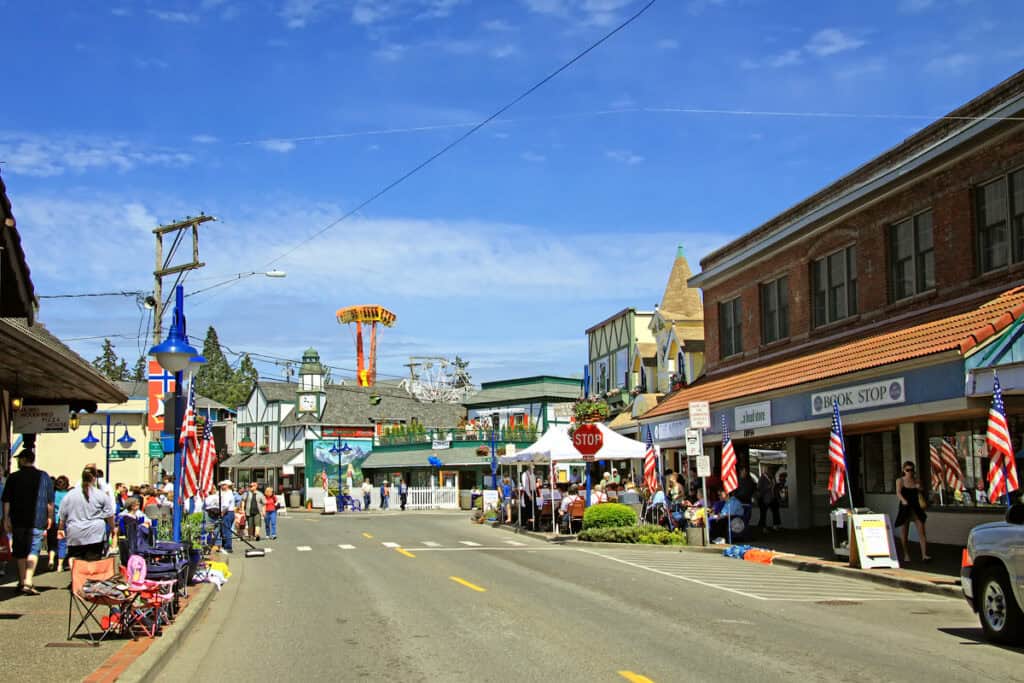
Come for a day trip from Seattle by ferry and car, or make it part of a Kitsap Peninsula weekend with Bainbridge Island, Port Gamble, Suquamish, and the Hood Canal area.
Planning tip: Do not skip the bakeries. Poulsbo is especially good for a slow morning, a waterfront walk, and a pastry stop before continuing around the peninsula.
Anacortes

Anacortes sits on Fidalgo Island and feels like a ferry town, marina town, and trail town all at once. It is the mainland gateway to the San Juan Islands, but it is also worth visiting on its own for Cap Sante views, Washington Park, downtown shops, whale watching, and nearby Deception Pass.
Use Anacortes as a base for a saltwater weekend: walk the Tommy Thompson Trail, watch the ferries, browse Commercial Avenue, book a whale watching tour, or drive to Deception Pass for beaches and bridge views.
Planning tip: If you are taking a vehicle to the San Juan Islands, Washington State Ferries recommends reservations on the Anacortes/San Juan Islands route. Check current Anacortes/San Juan Islands ferry schedules before building your plan.
Spokane
Spokane deserves a place on a Washington State itinerary, especially if you are exploring the eastern side of the state. Riverfront Park, Spokane Falls, historic neighborhoods, trails, breweries, and a growing food scene make it more than just a pass-through city.
It is also a practical base for Riverside State Park, Mount Spokane, Green Bluff farms, the Spokane River Centennial Trail, and trips toward Coeur d’Alene or the Palouse.
Planning tip: Spokane pairs well with Walla Walla, Palouse Falls, and the Palouse if you want a very different Washington road trip from the Seattle-and-mountains route.
Washington State & National Parks
Washington has three national parks, plus national forests, state parks, national recreation areas, and scenic byways that make the state feel much larger than it looks on a map. If you love mountains, beaches, waterfalls, old-growth trees, or volcanoes, this is where Washington shines.
Mount Rainier National Park

Mount Rainier National Park is one of Washington’s most iconic places. The mountain dominates the skyline on clear days and feels even more powerful up close, with glaciers, wildflower meadows, waterfalls, old-growth forest, and trails ranging from gentle walks to serious alpine routes.
Paradise is famous for summer wildflowers and mountain views. Sunrise is the highest point in the park reachable by vehicle when the road is open. Longmire gives you history, forest, and year-round access depending on conditions. The Wonderland Trail circles the mountain for experienced backpackers with permits.
Updated 2026 note: Mount Rainier National Park is not requiring timed-entry reservations anywhere in the park for 2026, but entrance fees still apply and summer congestion can still be serious. Check the official Mount Rainier fees and timed-entry page before visiting.
Planning tip: Arrive early or late, especially on sunny summer weekends. Also check the official Mount Rainier road status page before driving toward Paradise, Sunrise, Stevens Canyon, or seasonal pass routes.
North Cascades National Park
North Cascades National Park is rugged, glacier-cut, and less developed than Washington’s other national parks. It is the place to go for alpine scenery, turquoise lakes, sharp peaks, backcountry trails, and a wilder Cascade experience.
Many first-time visitors experience the area from State Route 20, also called the North Cascades Highway. Diablo Lake Overlook, Ross Lake, Washington Pass, and nearby trailheads make the drive one of the most scenic in the state when the highway is open.
Updated planning note: State Route 20 is seasonal and can close for snow, avalanche danger, rockslides, or repairs. Before visiting, check both the North Cascades road conditions page and WSDOT North Cascades Highway updates.
Planning tip: Do not underestimate drive times. North Cascades makes a beautiful road trip, but it is better with a full day or an overnight in places like Winthrop, Mazama, Marblemount, or the Skagit Valley.
Olympic National Park
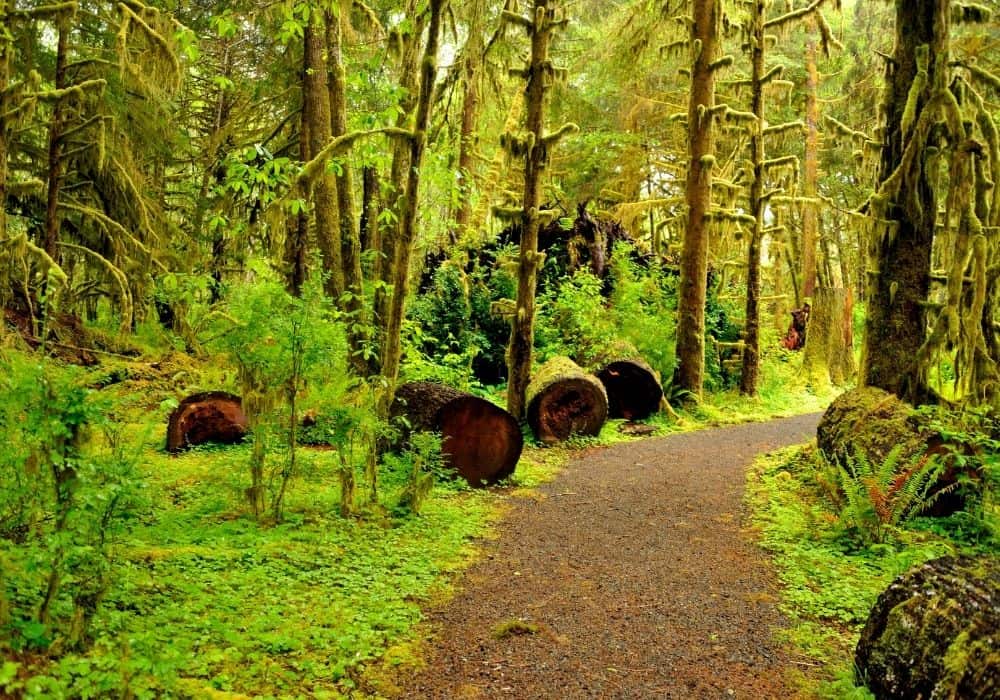
Olympic National Park is the most varied national park in Washington. In one trip, you can walk through temperate rain forest, stand on wild Pacific beaches, drive to mountain viewpoints, see waterfalls, visit lakes, and soak in hot springs nearby.
Must-see areas include the Hoh Rain Forest, Hurricane Ridge, Lake Crescent, Marymere Falls, Sol Duc Valley, Rialto Beach, Ruby Beach, and the Kalaloch area. On a personal note, hiking in Olympic National Park remains one of our favorite things to do in Washington.
Updated planning note: Olympic is huge, and access changes by area. Roads like Hurricane Ridge Road, Obstruction Point Road, and Upper Hoh Road can be affected by weather, repairs, snow, or congestion. Check Olympic National Park current conditions before driving across the peninsula.
Planning tip: Olympic is hard to do well in one day from Seattle. For a first trip, choose one side of the park or spend at least two to three nights on the peninsula.
Mount Baker-Snoqualmie National Forest
Mount Baker-Snoqualmie National Forest stretches along the western slopes of the Cascades from near the Canadian border down toward Mount Rainier. It includes glacier peaks, old-growth forest, alpine lakes, waterfalls, ski areas, and hundreds of miles of trails.
This is the national forest behind many classic Western Washington day trips: Mount Baker, Artist Point, Heather Meadows, Lake 22, Mount Pilchuck, Wallace Falls nearby, Snoqualmie Pass, and parts of the Mountain Loop Highway.
Planning tip: Many trailheads require a Northwest Forest Pass or other recreation pass, and road conditions can change quickly. Start with the official Mount Baker-Snoqualmie National Forest page before you go.
Deception Pass State Park

Deception Pass State Park is one of Washington’s most dramatic and popular state parks. The park spans parts of Whidbey and Fidalgo Islands, with bridges, beaches, coves, old-growth forest, cliffs, tidewater, lake access, and hiking trails.
Walk across the bridge if you are comfortable with heights, explore Bowman Bay, visit Rosario Beach, bring a picnic, or stay for sunset when the water and bridge take on that moody PNW look.
Planning tip: Deception Pass is a Washington State Park, so you usually need a Discover Pass for parking. Check the official Deception Pass State Park page for current hours, closures, fees, and pass information.
Mount St. Helens National Volcanic Monument
Mount St. Helens is one of the most important landscapes in Washington. The 1980 eruption reshaped the mountain, forests, rivers, and surrounding terrain, leaving a place where geology and recovery are visible in a way few destinations can match.
The west side toward Johnston Ridge has long been the classic visitor route, but access can change because of road damage, repairs, snow, and seasonal closures. Other areas around the monument offer viewpoints, trails, lava tubes, lakes, and interpretive stops.
Planning tip: Check the official Mount St. Helens National Volcanic Monument page before visiting, especially if you are planning around Johnston Ridge, Windy Ridge, Ape Cave, or winter access.
Palouse Falls State Park Heritage Site
Palouse Falls shows a very different side of Washington. Instead of evergreens and saltwater, you get basalt cliffs, open sky, dry hills, and a powerful waterfall dropping into a canyon in southeast Washington.
The park is a day-use heritage site and protects one of the state’s most recognizable waterfalls. It is remote compared with many Western Washington stops, but that is part of the appeal if you are building an eastern Washington road trip.
Planning tip: Stay behind fences and closed areas. Cliffs and unofficial trails can be dangerous. Check the official Palouse Falls State Park Heritage Site page for current hours, fees, and safety notes.
Pacific Northwest Nature
Washington’s natural places are the main reason many people visit. You can build a trip around beaches, lakes, waterfalls, islands, whale watching, ski areas, volcanoes, forests, desert canyons, or all of the above if you have enough time.
Olympic Peninsula Beaches

The Olympic Peninsula beaches are not soft tropical beaches built for warm swimming. They are wild, cold, beautiful places with sea stacks, driftwood, tide pools, mist, forests, and long stretches of coastline that feel far from everyday life.
Some of the best-known beaches include Rialto, Ruby, Shi Shi, First Beach, Second Beach, and Third Beach. Second Beach and Shi Shi are especially loved by hikers and backpackers, while Ruby Beach is easier to visit on a road trip.
Planning tip: Always check tide tables, weather, and park alerts. Some beaches require hiking, permits for overnight camping, or extra planning around tides and river crossings.
Lake Chelan
Lake Chelan is long, deep, sunny, and one of Washington’s favorite summer destinations. The south end near Chelan and Manson is known for swimming, boating, wineries, restaurants, and warm-weather vacations.
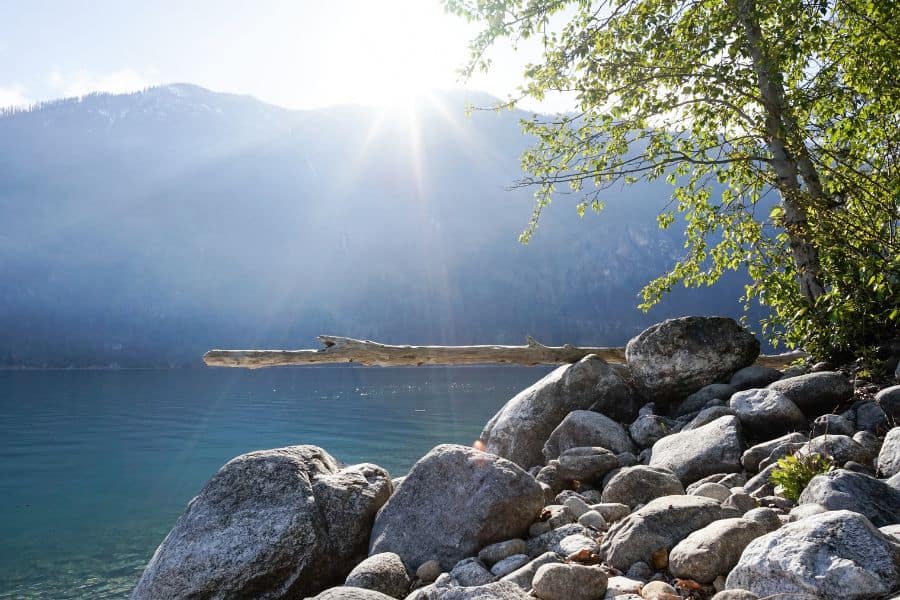
The upper lake and Stehekin feel completely different. Stehekin is reachable by boat, plane, or trail, and it gives travelers a quieter gateway to North Cascades scenery, hiking, and remote-lake energy.
Planning tip: Summer lodging and boat rentals book early. For a deeper trip, look into ferry service to Stehekin and allow more than a single day if you want to slow down.
Snoqualmie Falls

Snoqualmie Falls is one of the easiest major waterfalls to visit from Seattle. The 270-foot waterfall is dramatic, accessible, and tied closely to the Snoqualmie Valley landscape and the Snoqualmie Tribe.
There are viewing areas near the top, a short trail toward the lower viewing area, and the Salish Lodge nearby if you want to turn the stop into a meal, spa visit, or overnight escape.
Planning tip: It is a popular stop, so go early or on a weekday if you want easier parking. Check the official Snoqualmie Falls site for current visitor information.
San Juan Islands

The San Juan Islands are one of the most memorable places to see in Washington State. Ferries, rocky shorelines, forests, farms, small towns, kayaking, cycling, whale watching, and slow island mornings make the San Juans feel like a full vacation even if you only visit for a weekend.
San Juan Island, Orcas Island, Lopez Island, and Shaw Island are served by Washington State Ferries from Anacortes. San Juan Island has Friday Harbor, Lime Kiln Point, American Camp, and English Camp. Orcas has Moran State Park and Mount Constitution. Lopez is quieter, flatter, and especially good for cycling.
Planning tip: Ferry planning matters. Vehicle reservations are available on the Anacortes/San Juan Islands route, and they are strongly recommended for busy travel periods. Start with Washington State Ferries and Visit San Juans.
Whale Watching
Whale watching is one of the most memorable wildlife experiences in Washington. Tours depart from places like Anacortes, Friday Harbor, Port Townsend, Port Angeles, and Seattle, depending on season, operator, and route.
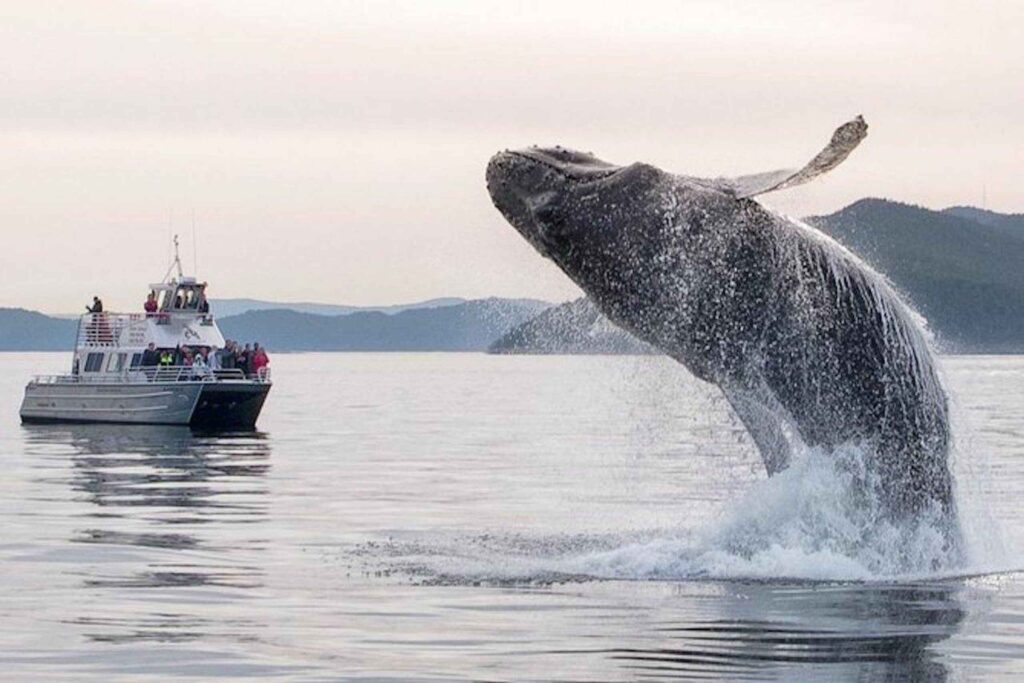
Depending on the time of year and trip, you may have the chance to see orcas, humpbacks, gray whales, minke whales, porpoises, seals, sea lions, bald eagles, and seabirds. Wildlife sightings are never guaranteed, so choose an operator that sets realistic expectations and follows responsible viewing guidelines.
Planning tip: Bring warm layers even in summer. It can feel much colder on the water than it does in town. For responsible viewing guidance, start with The Whale Trail and local operator information.
Columbia River Gorge
The Columbia River Gorge is shared by Washington and Oregon, and both sides are worth exploring. On the Washington side, you will find river views, wind sports, vineyards, wildflowers, state parks, and small towns like Stevenson, Bingen, White Salmon, and Camas.
Beacon Rock State Park, Columbia Hills State Park, and the Maryhill area are all good reasons to spend time on the Washington side instead of only driving the Oregon waterfall corridor.
Planning tip: Gorge weather can be windy and variable. Check state park pages, trail conditions, and wildfire updates before planning a hiking-heavy itinerary.
Where to Stay for a Washington State Trip
Washington is easiest to plan by region. Seattle works best for a first city base. Port Angeles, Port Townsend, Forks, or Lake Crescent are useful for Olympic National Park. Ashford, Packwood, or Enumclaw work for Mount Rainier. Anacortes is practical for the San Juan Islands, while Walla Walla and Spokane are stronger bases for eastern Washington.
Use these destination searches as a starting point, then compare location, parking, cancellation policy, seasonal access, and total price before booking.
Washington State Travel Tips
- Use the right airport: Seattle-Tacoma International Airport is the main international gateway. Spokane, Bellingham, Paine Field, and smaller regional airports can also make sense depending on your route.
- Rent a car for most road trips: Seattle can be done without a car, but national parks, islands, wine regions, and small towns are easier with one.
- Check ferry reservations: Vehicle reservations are available only on select routes, including Anacortes/San Juan Islands and Port Townsend/Coupeville. Walk-on passengers do not reserve in the same way.
- Know your passes: National parks use federal entrance passes. Washington State Parks usually require a Discover Pass. National forest trailheads may require a Northwest Forest Pass or other recreation pass.
- Watch mountain roads: North Cascades Highway, Cayuse Pass, Chinook Pass, Hurricane Ridge Road, and other routes may close seasonally or suddenly because of weather or repairs.
- Pack layers: Coastal, mountain, and eastern Washington weather can all feel different in the same week.
- Respect water and wildlife: Ocean beaches have sneaker waves, ferries run on schedules, and wildlife needs space. Bring binoculars instead of getting close.
- Plan by region: Washington is larger and slower to cross than many first-time visitors expect. A good trip usually focuses on one or two regions rather than trying to see everything at once.
Suggested Washington State Itineraries
3 days: Stay in Seattle, visit Pike Place Market and Seattle Center, take a ferry ride, and add a day trip to Snoqualmie Falls or Mount Rainier if weather and timing are good.
5 days: Pair Seattle with Olympic National Park or the San Juan Islands. Both routes give you city time plus classic PNW water, forest, and mountain scenery.
7 days: Build a loop with Seattle, Mount Rainier, Leavenworth, Winthrop or North Cascades, and the Skagit Valley. Check seasonal road access before committing to this route.
10 days or more: Add Olympic National Park, the San Juan Islands, Walla Walla, Spokane, or Palouse Falls depending on whether you want more coast, islands, wine, or eastern Washington landscapes.
Final Thoughts on the Top Things to See in Washington State
The best Washington trips have variety. Spend a few days in Seattle, then follow the water, mountains, ferry routes, or desert roads toward a completely different version of the state.
Choose Mount Rainier for meadows and mountain views, Olympic for rain forest and wild beaches, the San Juan Islands for ferry days and slow island towns, Walla Walla for wine, Leavenworth for mountain-town energy, and Palouse Falls or Spokane if you want to see beyond the west side.
However you plan it, leave room for weather, ferry timing, coffee stops, and unexpected views. That is where Washington usually does its best work.
Discover more of the Pacific Northwest, one ferry ride, mountain pass, and waterfront town at a time.

A long-time resident of Bristish Columbia, Sarah is a writer, traveler, wine & food lover and co-owner of Discover the Pacific Northwest and Live Dream Discover.