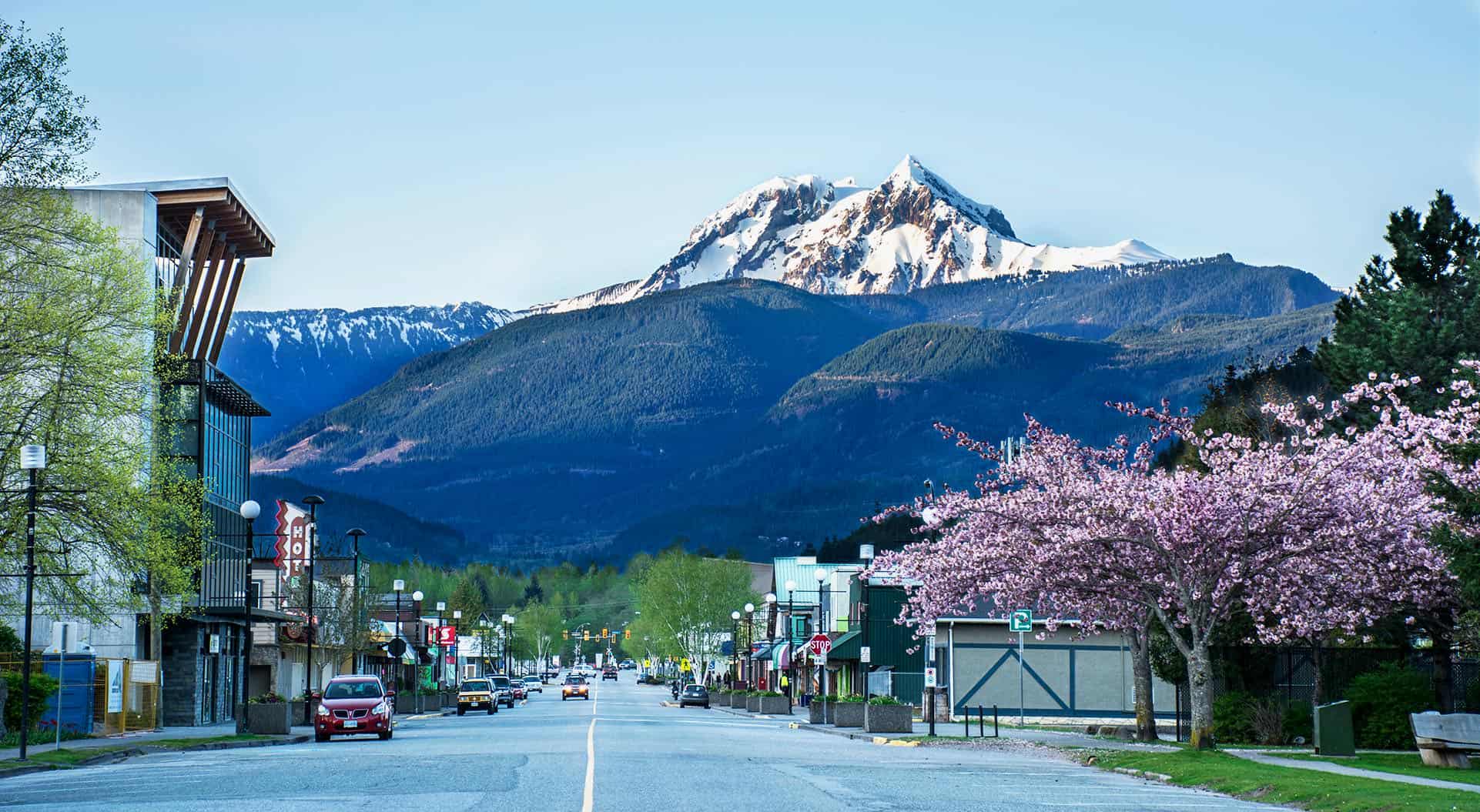
Squamish has a way of making you look up.
One minute you are driving the Sea to Sky Highway with Howe Sound beside you. The next, the granite face of the Stawamus Chief rises above town, clouds dragging across its shoulders, and the whole place seems to ask you to slow down a little.
Squamish sits between Vancouver and Whistler, but it is much more than a place to stop for gas or coffee on the way north. It is a mountain town, a climbing town, a biking town, a river town, and a good base for anyone who likes their travel with fresh air and a bit of mud on their shoes.
You can hike to big views, wander quiet estuary trails, watch eagles in winter, paddle near the mouth of Howe Sound, or end the day with pizza and a local beer after a ride. It is adventurous without being polished smooth, which is part of the appeal.
Here are the best things to do in Squamish, BC, whether you are visiting for a day from Vancouver, stopping on a Sea to Sky road trip, or settling in for a slower weekend.

Getting to Squamish
Squamish is about an hour north of Vancouver by car via Highway 99, better known as the Sea to Sky Highway. The drive is part of the experience, with water views, forested slopes, and mountain pullouts along the way.
If you are coming from Whistler, Squamish is about 45 minutes south. Britannia Mine Museum, one of the easiest side stops near town, is about 10 minutes south of Squamish on Highway 99.
A car is helpful if you want to reach trailheads, lakes, and nearby parks. But if you are mainly staying downtown, you can still walk to cafés, breweries, shops, the waterfront, and some easier trails.
1. Hike the Stawamus Chief
The Stawamus Chief is the landmark that defines Squamish.
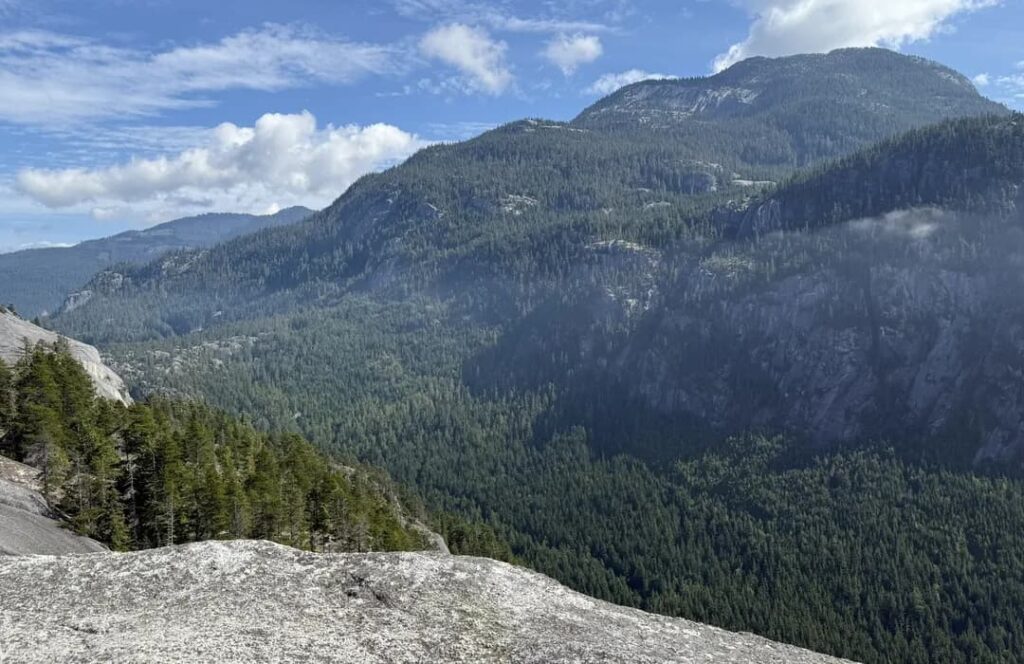
This massive granite formation rises above town and is one of the most recognizable sights along the Sea to Sky Highway. BC Parks describes the park as protecting 700-metre granite cliffs, with hiking trails to three summits and views over Howe Sound, Squamish, and the surrounding mountains.
The hike is steep, stair-heavy, and not something to wander into casually. The First Peak is the most popular option and is often enough for a first visit. Tourism Squamish notes that the First Peak route is 1.5 kilometres with 540 metres of elevation gain and typically takes 2 to 4 hours roundtrip.
Go early if you can. Bring water, proper shoes, and a bit of patience for the climb. The reward is not subtle: Howe Sound below, mountains all around, and town tucked between river, forest, and rock.
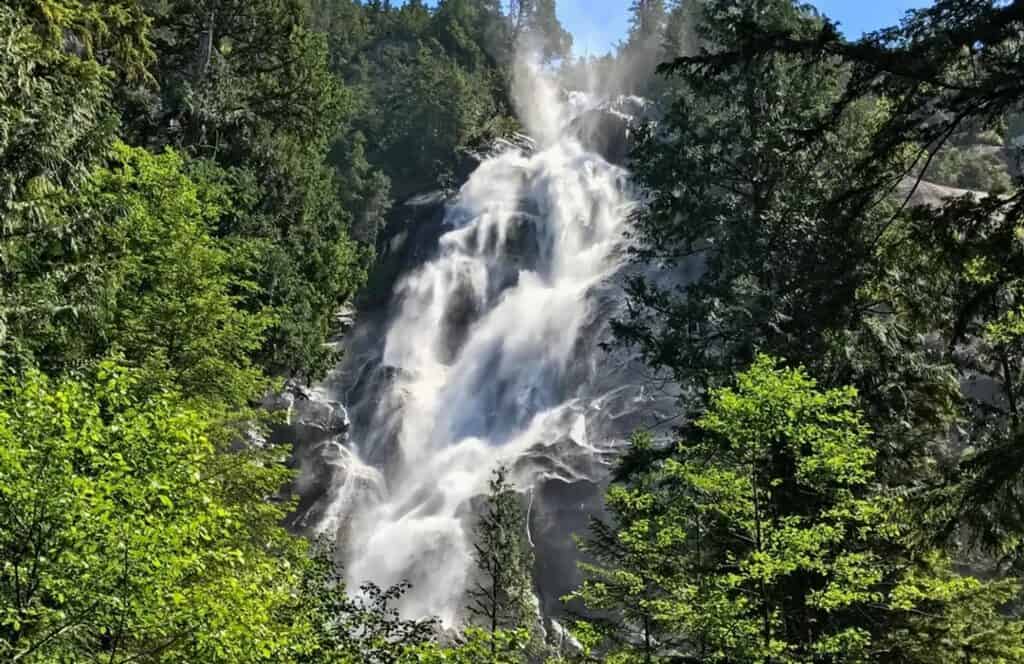
2. Visit Shannon Falls Provincial Park
Shannon Falls is the kind of stop that makes a short walk feel generous.
The waterfall drops 335 metres, making it the third highest waterfall in British Columbia, according to BC Parks. It sits just off Highway 99, about 2 kilometres south of Squamish, so it is easy to pair with the Chief, the Sea to Sky Gondola, or a slower drive along the corridor.
The main trail is short and accessible for many visitors, with a 350-metre walk through hemlock, Douglas fir, and cedar forest to the viewing area.
This is a good first stop if you are arriving from Vancouver. You can stretch your legs, feel the mist from the falls, and let the city fall a little farther behind you.
3. Ride the Sea to Sky Gondola
The Sea to Sky Gondola is one of the easiest ways to get a big mountain view without a long climb.
The gondola rises above Howe Sound and gives you access to walking trails, viewpoints, a suspension bridge, seasonal events, and mountain air that feels cleaner than whatever you were breathing in traffic. As of May 2026, the official Sea to Sky Gondola website lists daily operations and recommends booking online.
At the top, keep your pace easy. Walk the Panorama Trail, pause at the viewpoints, and give yourself time to watch the light shift over the sound.
This is a good option for families, mixed-ability groups, or anyone who wants the view without committing to a hard hike.
4. Walk the Squamish Estuary Trail
Not every Squamish walk needs to climb.
The Squamish Estuary Trail moves through the Skwelwil’em Squamish Estuary Wildlife Management Area, where river water, tide, mudflats, grasses, and forest edges meet. Tourism Squamish describes it as a winding, level trail with views of the estuary, Howe Sound, the Stawamus Chief, and Diamond Head.
The trail is easy, family-friendly, and usually takes 1 to 2 hours. It is also a good place for bird watching, but give wildlife space and keep dogs leashed.
Come here when you want Squamish at a quieter volume. The Chief is still there in the distance, but the mood is softer: reeds moving, birds calling, water slipping in and out with the tide.
5. Explore Alice Lake Provincial Park
Alice Lake is where Squamish slows down into a lakeside afternoon.
The park has four freshwater lakes, mountain views, forest, grassy areas, swimming, fishing, and walking trails. BC Parks notes that the trail around Alice Lake is popular for evening strolls, while the Four Lakes Trail and DeBeck’s Hill Trail offer longer options.
In summer, this is a family-friendly place for swimming, picnics, paddling, and camping. It is also popular, so reservations and early arrivals matter, especially in July, August, and September. BC Parks advises booking well in advance for summer stays and notes that parking can fill on warm weekends.
If your trip needs one low-effort day, make it Alice Lake. Bring a book, a picnic, and permission to do less.
6. Go Mountain Biking
Squamish is one of British Columbia’s great mountain biking towns.
Tourism Squamish says the area has more than 300 kilometres of singletrack across five riding zones, with trails and bike-friendly businesses that can easily fill a few days.
If you are new to the area, stop by a local bike shop or the Squamish Adventure Centre for trail advice. Conditions change, trail difficulty can be humbling, and local etiquette matters.
This is not the place to guess your way through a ride. Check current trail information, ride within your ability, and leave room in the day for a slow lunch or brewery stop afterward.
7. Try Rock Climbing or Watch the Climbers
The Chief is not just for hikers.
Squamish is known internationally for rock climbing, with granite walls, boulders, and routes that draw climbers from all over. BC Parks notes that Stawamus Chief Park offers rock-climbing opportunities of international significance.
If you are experienced, you probably already know why Squamish matters. If you are new, consider booking a guided intro with a local climbing company instead of trying to figure it out on your own.
Not climbing? It is still worth pausing at the base of the Chief or nearby parks to watch climbers move across the rock. Just stay out of landing zones, respect closures, and remember that peregrine falcon nesting can lead to seasonal route restrictions.
8. Follow the Squamish Craft Tasting Trail
After a day outside, Squamish does not make you choose between a casual meal and a good drink.
The Squamish Craft Tasting Trail includes breweries, cideries, and other local craft beverage makers. Tourism Squamish lists stops such as A-Frame Brewing, Backcountry Brewing, Cliffside Cider, Geo Cider, and House of Lager Brewing Company.
Pick one or two rather than trying to turn the whole day into a checklist. This is especially true if you are driving.
A good Squamish evening might be as simple as a trail walk, a patio, a flight of beer or cider, and a table full of tired people happily discussing whether tomorrow should be a hike or a lake day.
9. Wander Downtown Squamish
Downtown Squamish is compact, practical, and easy to enjoy between bigger adventures.
You will find cafés, local shops, restaurants, breweries, gear stores, and views that keep sneaking between buildings. It is a good place to start the morning slowly before heading for the trails.
Grab coffee, browse a bookstore or outdoor shop, walk toward the waterfront, and keep the plan loose. Squamish works best when you leave space for weather, trail conditions, and the pull of a sunny patio.
Downtown also makes a good base if you like being close to food and drink after a day outside. Nobody wants to drive far after a long hike.
10. Visit Britannia Mine Museum
Just south of Squamish, Britannia Mine Museum adds a layer of local history to a Sea to Sky trip.
The museum is located in Britannia Beach, about 10 minutes south of Squamish on Highway 99. It offers exhibits, mine history, and an underground mine train experience, according to the museum’s official visitor information.
This is a good option for a rainy day, a family stop, or a slower travel day when your legs need a break from hiking.
The setting is part of the experience too. The old mine buildings sit against the steep mountainside, with Howe Sound just across the road. It is a reminder that the Sea to Sky corridor has always been shaped by more than scenery.
11. Watch Eagles in Brackendale
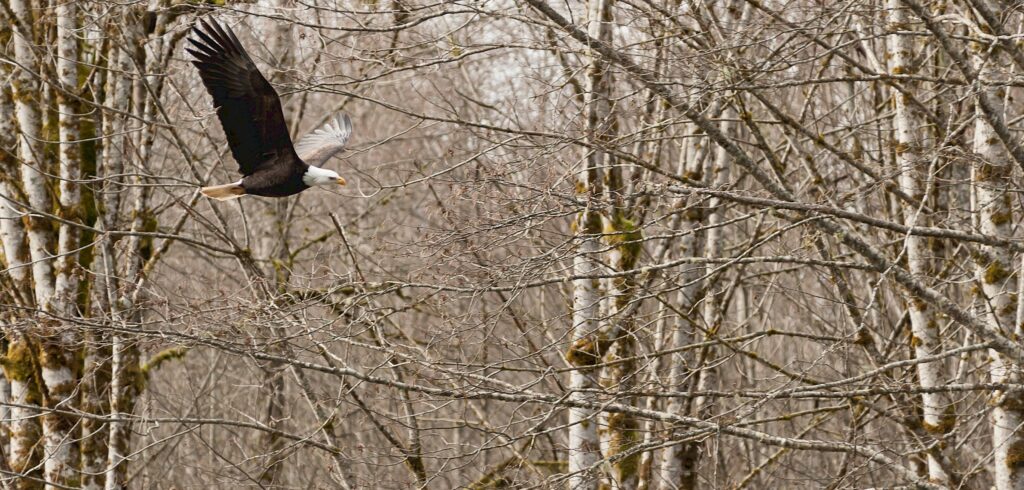
In winter, Squamish becomes an important place for eagle viewing.
The rivers around Brackendale draw bald eagles, especially when salmon return. Bring binoculars, dress warmly, and keep your distance from both birds and riverbanks.
This is a slower kind of wildlife experience. You stand still. You scan the trees. Then one white head appears, and suddenly the whole riverside feels more alive.
For the most respectful experience, go with a local guide or check current viewing information before you visit. Conditions and access can shift by season, weather, and river levels.
12. Paddle Howe Sound or the Squamish River Area
Squamish is shaped by water as much as rock.
Howe Sound, the Squamish River, and nearby lakes all create opportunities for paddling, from calm lake outings to more advanced water experiences. Conditions can change quickly here, especially with wind, tides, and river flow.
If you are new to paddling in the area, book with a local outfitter or choose a sheltered lake day instead. Alice Lake is an easier place to start than open water.
A quiet paddle near shore can be enough. You do not need to cover much distance to feel the scale of the place.
13. Take a Scenic Drive on the Sea to Sky Highway
The drive to Squamish deserves its own time.
Highway 99 follows Howe Sound north from Vancouver, passing viewpoints, coastal slopes, forest, waterfalls, and old industrial towns. If you treat it like a commute, you miss half the reason people love this corridor.
Stop at viewpoints where safe. Add Shannon Falls. Visit Britannia Mine Museum. Take your time between Vancouver and Squamish instead of racing toward Whistler.
The best Sea to Sky drive has room for weather. Fog, low cloud, and rain can make the mountains feel even more dramatic, especially when the sound is silver and the trees are dark with water.
14. Walk or Ride Part of the Sea to Sky Trail
If you like the idea of moving through the corridor at a slower pace, look into the Sea to Sky Trail.
The District of Squamish notes that the Sea to Sky Trail is a multi-use trail connecting communities from Squamish to D’Arcy, with the Corridor Trail in Squamish forming part of the route as it winds from the waterfront toward Whistler. Parts of the broader trail are still under construction.
You do not need to tackle a long distance. Choose a small section for a walk or easy ride and use it as a way to see Squamish beyond the main road.
The local Corridor Trail also connects neighborhoods and recreation areas, including Brennan Park, Smoke Bluffs Park, Stawamus Chief Provincial Park, and other trail networks.
15. Spend Time at Smoke Bluffs Park
Smoke Bluffs Park is a local climbing area close to downtown Squamish.
Even if you are not climbing, the park is worth a wander for forest trails, granite outcrops, and views back toward town. It feels more local and less dramatic than the Chief, which can be a nice change.
Climbers should check route information and local etiquette before heading out. Walkers should be aware of climbing areas, stay on established trails, and avoid lingering below active routes.
This is a good late-afternoon stop when you want a short outing before dinner downtown.
16. Go Camping Near Squamish
Squamish makes a strong camping base for a Sea to Sky trip.
Alice Lake Provincial Park is one of the most popular options, especially for families and lake days. BC Parks notes that the park has vehicle-accessible campsites and a group camping area, with strong advice to reserve well in advance for peak summer months.
There is also camping at Stawamus Chief Park, though it is more rustic and better suited to hikers and climbers than travelers looking for a full-service campground.
If you want a quieter experience, avoid peak summer weekends when possible. Shoulder season can bring rain, but it also brings softer mornings, fewer crowds, and forest that smells like cedar and wet stone.
17. Make Squamish Your Slow-Travel Base
Squamish is often treated as a day trip, but it gets better when you give it more time.
With two or three nights, you can hike one day, ride or paddle another, visit the estuary, explore downtown, and leave space for weather. That matters here. A cloudy morning might become a clear evening, and a planned summit hike might turn into a better day at Alice Lake.
Staying longer also gives you more chances to support local cafés, guides, shops, breweries, and small businesses. That is one of the quiet advantages of slow travel: your trip becomes less about taking from a place and more about participating in its rhythm.
Best Time to Visit Squamish
Squamish is a year-round destination, but the best season depends on what you want to do.
Summer is the busiest time, with long days, lake weather, hiking, mountain biking, climbing, paddling, and patio evenings. It is also when parking lots and popular trails can fill quickly.
Spring brings waterfalls, fresh green forest, and cooler hiking weather. Trails may still be muddy, so check conditions and stay off sensitive routes when needed.
Fall is excellent for hiking, biking, moody forest walks, and fewer crowds. The light gets softer, the air feels sharper, and the town settles into a calmer pace.
Winter is quieter and wetter, but it can be rewarding for eagle viewing, stormy forest walks, cozy food stops, and nearby snow adventures in the Sea to Sky corridor.
How Many Days Do You Need in Squamish?
You can visit Squamish as a day trip from Vancouver, but one day will only give you a taste.
With one day, choose two or three things: Shannon Falls, the Sea to Sky Gondola, and a downtown meal. Or hike the Chief and keep the rest of the day simple.
With two days, add the estuary, Alice Lake, a craft beverage stop, and a slower morning downtown.
With three or four days, Squamish starts to feel less like a stop and more like a base. You can build in mountain biking, climbing, paddling, Britannia Mine Museum, and a weather-flexible hiking day.
Simple Weekend Itinerary for Squamish
Day One
Arrive via the Sea to Sky Highway and stop at Shannon Falls on the way into town.
Spend the afternoon riding the Sea to Sky Gondola or walking the Squamish Estuary Trail, depending on weather and energy.
In the evening, head downtown for dinner and a local brewery or cidery stop.
Day Two
Start early and hike the Stawamus Chief if conditions are good and your group is prepared.
Afterward, keep the afternoon easy. Visit Alice Lake, wander downtown, or sit somewhere with food, a drink, and no ambitious plans.
Day Three
Use the last morning for a slower outing. Walk part of the Corridor Trail, visit Smoke Bluffs Park, or drive south to Britannia Mine Museum.
Before leaving, take one last look back at the Chief. Squamish has a way of making even the exit feel scenic.
Final Thoughts on Visiting Squamish
Squamish is not a polished mountain resort, and that is part of why it stays interesting.
It is a working town, an adventure town, and a place where the landscape is always close. The trails are real. The weather matters. The rock is right there. The river, forest, and sound all shape the day.
Pack layers, sturdy shoes, rain gear, and a flexible plan. The best Squamish trips leave room for a change in weather, a longer coffee, and a viewpoint you did not mean to stop for.
Slow down. Look closer. Let Squamish unfold at its own pace.

Content creator and writer for multiple websites including All About Glamping, Fit Living Lifestyle, and Live Dream Discover. A full-time traveler who has spoken at various travel conferences around the world.